AI in rugby in 2026 shows up in five places: the cameras that film matches, the software that analyses them, the sensors that watch for head impacts, the broadcast graphics fans see, and research into injuries and technique. Most of it lives at the professional end of the game. The parts a club or school can use today are filming and match analysis, and that is where Framesports works. Here is what is real, what is still research, and what it changes.
Where AI is used in rugby today
- Filming: cameras that follow play on their own
- Match analysis: tagging the match, building clips and stats, and answering coaches’ questions
- Player welfare: smart mouthguards that flag big head impacts at the elite level
- Broadcast: predictions, live insights for commentators and automatic highlights
- Research: injury prediction and tackle technique, not yet in clubs’ hands
AI cameras: filming without an operator
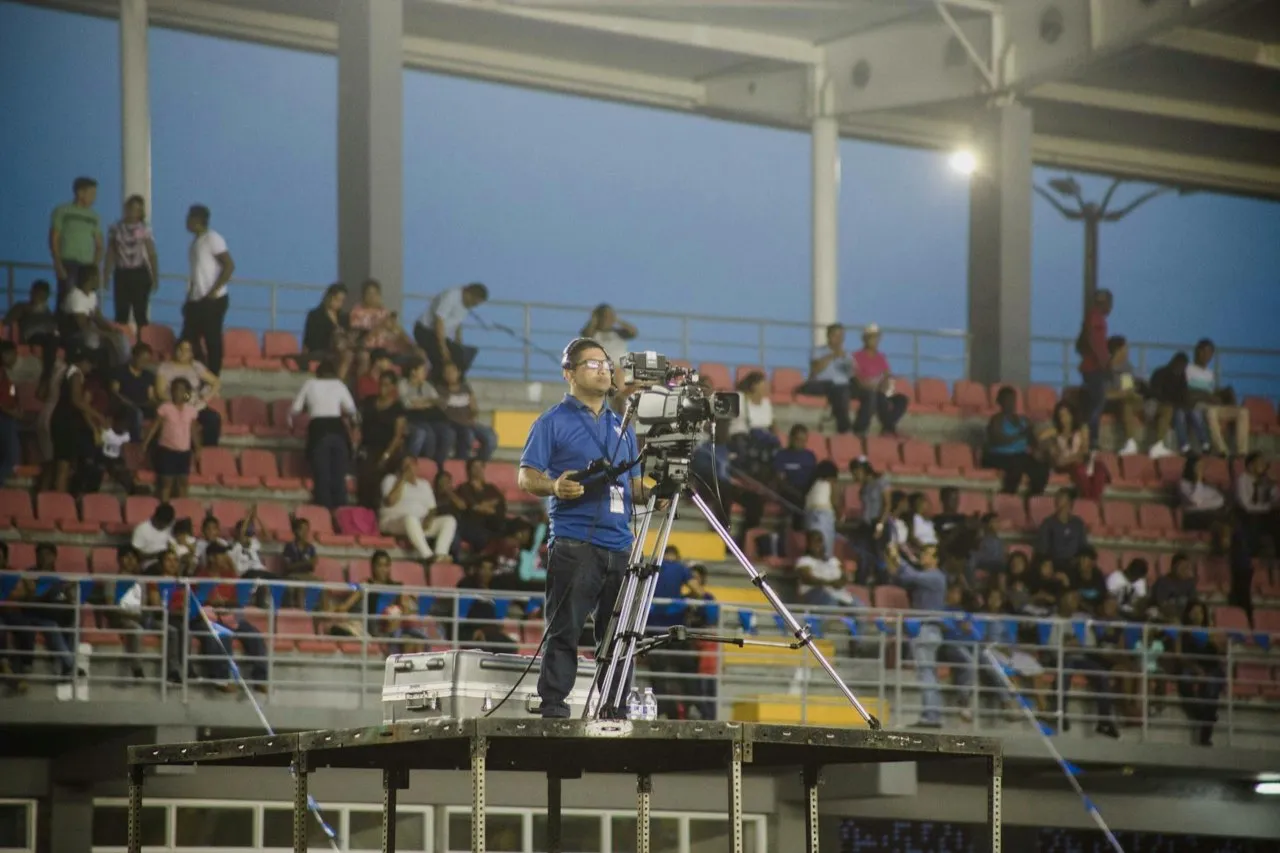
The most common AI in community rugby is a camera. A Veo camera films the whole pitch and its AI follows play, and for rugby it also picks out tries, conversions, scrums and lineouts. Pixellot, Spiideo, XbotGo and Hudl’s Focus cameras follow play too. None of them tags tackles, carries or rucks for rugby, so the camera solves the filming and leaves the analysis. Our guide to Veo camera alternatives compares them.
AI in match analysis
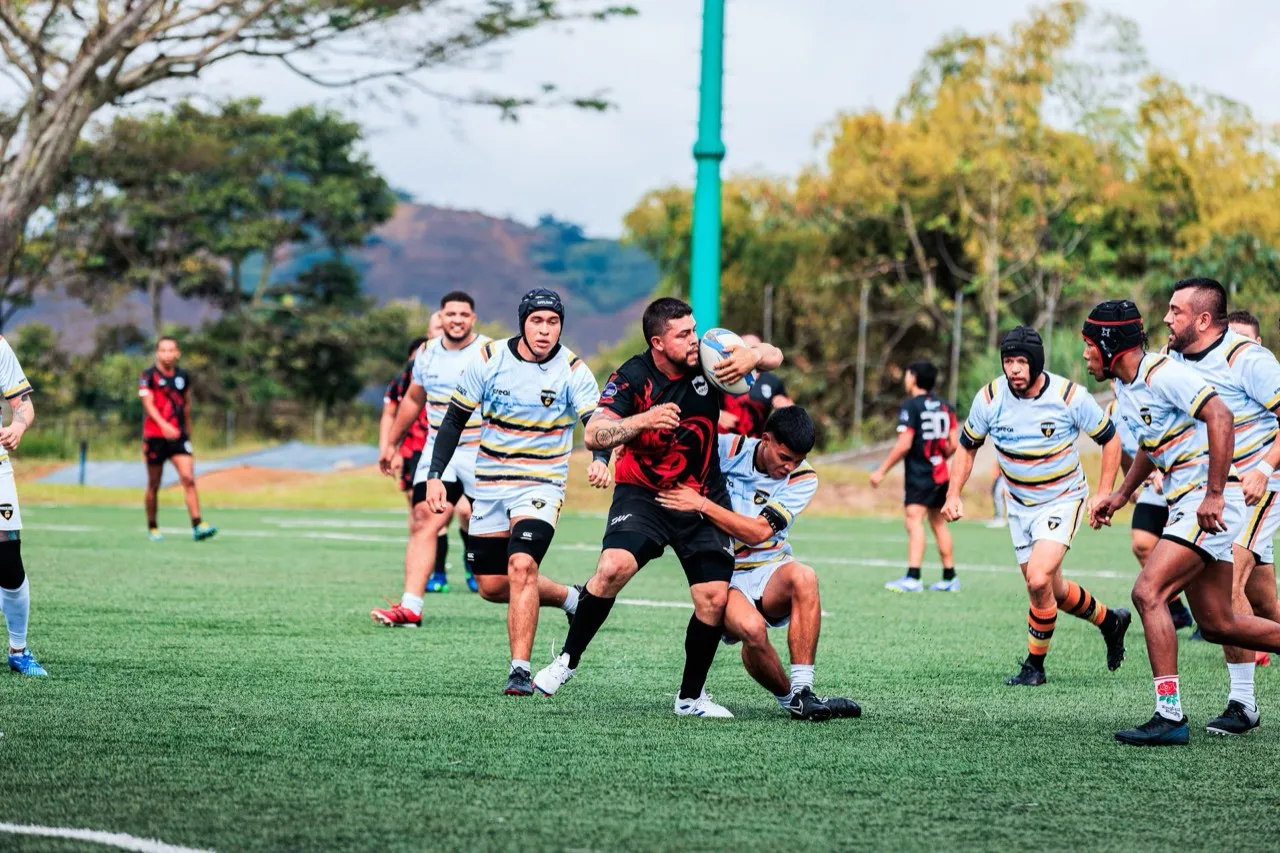
Analysis is where AI saves a coach the most time, and where rugby is hardest, because a tackle in a crowd of bodies is far harder to read than a goal in football.
Framesports takes the footage from any camera and returns every tackle, carry, ruck, kick and set piece tagged, with clips cut and stats worked out. Each player gets a development plan built from their own numbers, and the Ask AI Assistant answers questions about your matches in plain English, such as “show me our missed tackles in the second half”. Coaches can also connect Claude or ChatGPT to their team’s data.
Analyst tools have added AI helpers of their own. Nacsport AI writes match reports from the tags you have already made, and since August 2026 Hudl’s Sportscode has an AI chat that writes coding scripts. Both still need someone to code the match. Our list of the best AI rugby analysis tools covers each one, and how to use AI to analyse rugby is the step-by-step.
Smart mouthguards and head injuries
Instrumented mouthguards are sensors rather than AI, but they are the biggest change data has made to player welfare. They measure head acceleration and send an alert when an impact passes a set threshold. World Rugby added those alerts to its head injury assessment in January 2024, and since March 2024 an alert prompts an immediate check by the match doctor rather than an automatic removal. At the premium level, a player has to have been wearing a compliant mouthguard to be eligible for the off-field assessment. For now this is elite rugby only.
Refereeing: no AI decisions yet
AI does not make refereeing decisions in rugby. The television match official and the foul play review officer in the bunker review footage, and people make the call. In July 2026 World Rugby announced a trial of a fully remote TMO hub run by Hawk-Eye, with every camera angle in one place, and nothing in it is described as AI. The smart ball that powers kick and pass distances on broadcasts tracks the ball with sensors, and has been trialled for officiating at age-grade level. Where video already helps referees is in their own development, which we cover in video analysis for referees.
Broadcast and fans
The professional game uses AI most visibly on television. Opta, from Stats Perform, builds predictive measures such as expected points and kick success from its event data, and Sky in New Zealand has used its AI tools on air since 2025. At the Women’s Rugby World Cup 2025, Capgemini’s generative AI turned live Opta data into short insights for commentators, and Capgemini now works with Six Nations Rugby and the RFU. Leagues use AI to cut highlights automatically too: WSC Sports made more than ten thousand videos for the United Rugby Championship in 2024. For a club’s own highlights, see the best AI rugby highlight generators, and for what broadcasters need from match data, game analysis for broadcasters.
Research: injuries and tackle technique
Injury prediction is still research. A Bangor University model predicted non-contact lower-limb injuries in a semi-professional squad, but its authors say it cannot be generalised across the sport. At Trinity College Dublin, an IRFU-funded project is building AI to find and analyse tackles in video, tied to the push for lower tackle heights. Neither is a product a club can buy.
What AI changes, and what it does not
The real change is time. When the clip-finding and stat-counting happen in the background, coaches spend the week coaching, and players get their own moments while the match is still fresh. Raw data is becoming cheap; knowing what to do with it is not. No model replaces the trust between a coach and a player, or the honesty of a good review. The job of AI is to give coaches the time and the evidence for both.
What it means for a club or school
- Filming: an AI camera, or a phone on a mast, gets every match recorded
- Analysis: Framesports turns that footage into clips, stats and player plans, and the first ten minutes of your first match are analysed free
- Welfare: follow your union’s head injury rules; smart mouthguards are an elite tool for now
For what to do with the analysis once you have it, see how to use AI to win more rugby games and how to use AI for player development.