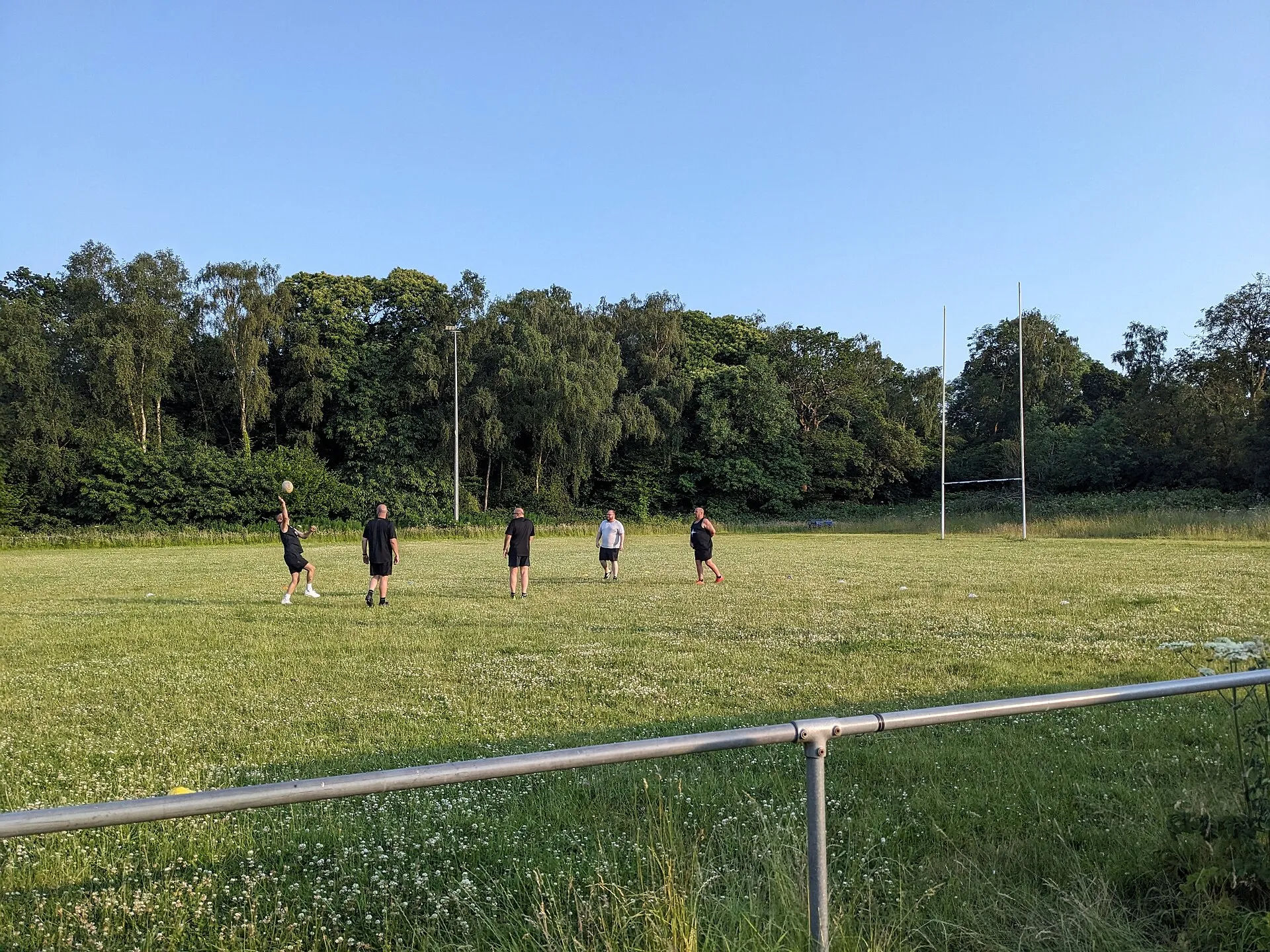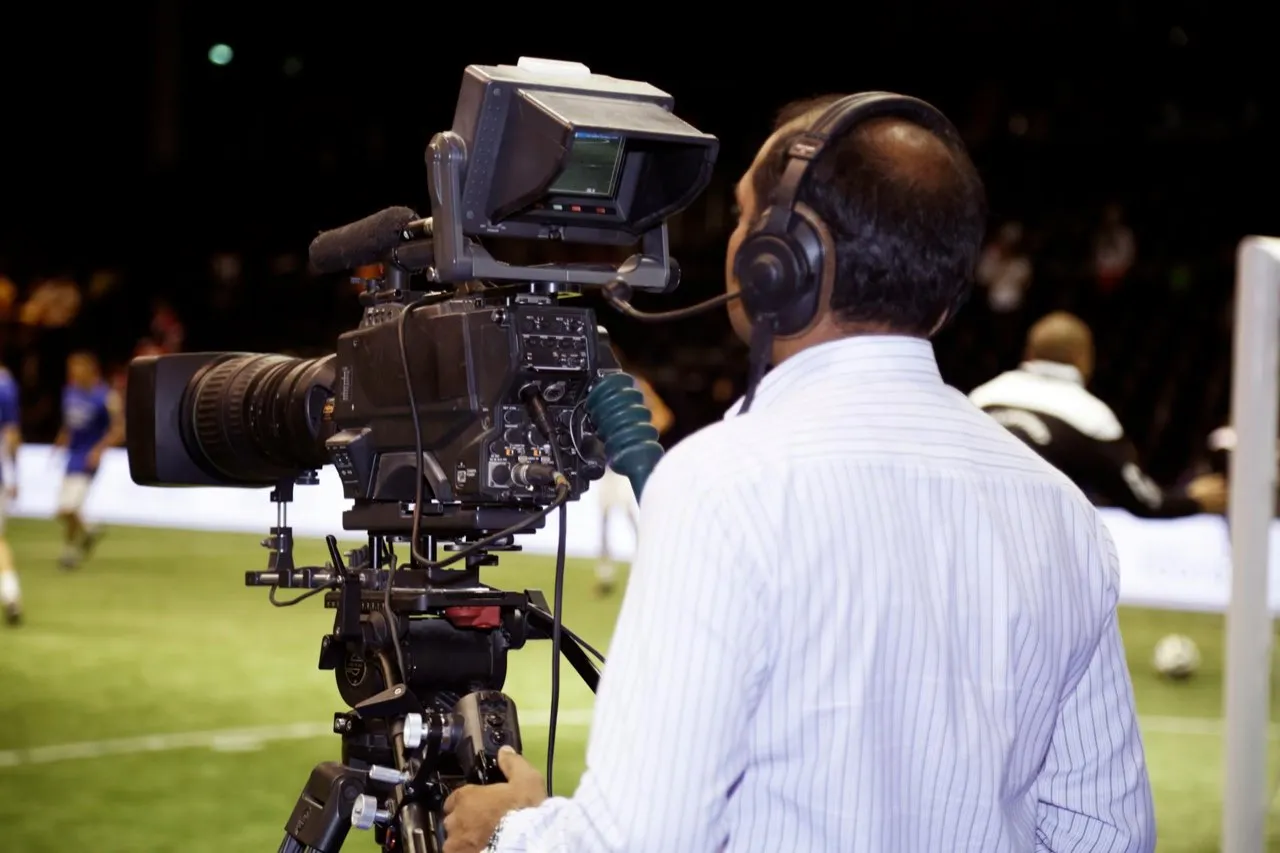
Veo did something genuinely good for rugby: it made filming every game cheap and effortless. Mount the camera, hit record, and its AI follows the play and serves up highlights. For a lot of clubs that was the first time they had their matches on film at all. The trouble starts after capture. Veo gets you video and basic clips, but it is light on real rugby analysis, so you are still doing the tactical thinking and the player work yourself. If that is the gap you have hit, here are the alternatives, and the first one does not even mean ditching your Veo.
Why teams look past Veo
It usually comes down to depth. Veo is excellent at capture and fine for highlights, but it does not turn footage into the stats, player development, or tactical insight a coach needs to actually change results. The other common reasons are cost over time and wanting more control over analysis than the Veo app gives.
1. Framesports
Best for: teams who like filming on Veo but want real rugby analysis on top.
Framesports is the rare alternative that is not an either-or. It ingests your existing Veo footage and adds the rugby-first, AI-plus-human analysis Veo lacks: clips, player development plans, stats, and social content. So you can keep the camera you bought and finally do something with the footage beyond watching it back.
- Works with your existing Veo footage, no need to rip it out
- Rugby-first analysis, not generic highlights
- AI plus human analysts turn video into decisions
- Automated player reviews, stats, and content
2. Hudl Focus
Best for: teams that want a camera inside a bigger ecosystem.
If you want an AI camera but also the wider toolset around it, Hudl Focus is the obvious rival. It captures automatically like Veo and plugs into Hudl’s coding and stats. You are buying into a larger, pricier ecosystem, but for programmes that want everything under one roof it makes sense.
- AI automatic capture
- Part of the full Hudl ecosystem
- More tools than Veo, at a higher cost
- Multi-sport
3. Pixellot and Spiideo
Best for: clubs, venues, or leagues capturing at scale.
If the goal is filming a lot of games, or a whole venue, the institutional AI camera systems are worth a look. Both Pixellot and Spiideo automate capture, production, and highlights across many fixtures, which is overkill for one team but ideal for a competition or a multi-pitch club.
- Automated capture and production at scale
- Highlights and livestreaming built in
- Institutional pricing and focus
- More than a single team usually needs
4. Kinovea
Best for: coaches whose real issue with Veo is the ongoing cost.
If budget is the actual driver, Kinovea is free and open source. It will not film for you, so you need another way to capture, but for breaking down footage, slow-motion, and technique work at zero cost it is a genuine option.
- Completely free and open source
- Strong for technique and frame-by-frame review
- No capture, manual only
- Not rugby-specific
5. Nacsport
Best for: teams that want serious coding rather than auto-capture.
If what you really want after Veo is depth of analysis, Nacsport gives you proper, flexible coding software at an affordable price. It expects someone to tag, so it suits teams with an analyst or a willing volunteer, but it goes far deeper than Veo’s highlights.
- Powerful, flexible coding
- Affordable, transparent pricing
- Manual tagging required
- Desktop based
How to choose
If you want another AI camera, Hudl Focus or, at scale, Pixellot and Spiideo are the like-for-like swaps. If cost is the issue, Kinovea is free. If you want coding depth, Nacsport delivers it. But if you actually like Veo and just want it to be more useful, you do not need an alternative camera at all, you need an analysis layer on top, which is exactly what Framesports does with your existing footage. Our Hudl vs Veo vs Framesports piece compares the workflows, and the top 10 rugby analysis platforms covers the rest of the field.