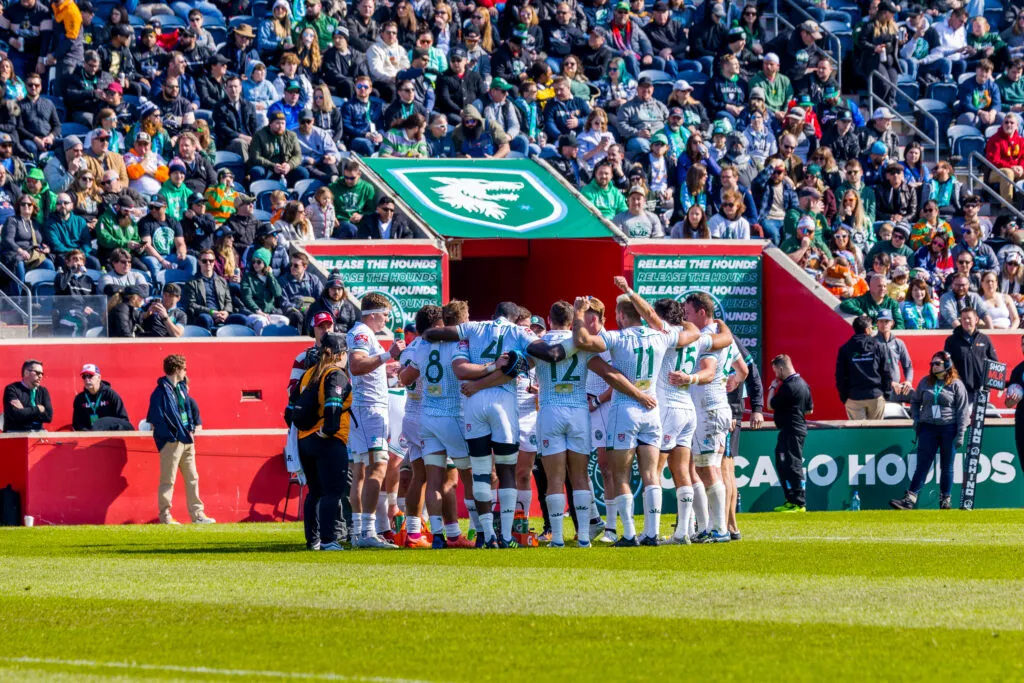
Few teams in world rugby have come up as fast as the Chicago Hounds. Named as a Major League Rugby expansion side in 2022, they played their first match in 2023, and by their second season they had reached the playoffs and won their first playoff game. In 2025 they went a step further, topping the table for long stretches before a one-point Eastern Conference final defeat, and at the time of writing they sit top of the Major League Rugby table. For such a young franchise, in a league still building its place in the American sporting landscape, that is a remarkable curve.
Rising that fast takes more than ambition. It takes recruitment, and recruitment takes information.
“We were blown away… It allowed us to make recruitment decisions for the first team squad.”
Will Magie, General Manager, Chicago Hounds
The challenge: building a squad without the data to back it
A young franchise lives and dies by the players it brings in. But assessing talent across a whole league is hard when the data sits in a hundred different places, or does not exist in a usable form at all. A general manager can watch endless footage, but watching is slow, and comparing players fairly across the competition is slower still. The Hounds wanted to recruit on evidence, not impressions, and they needed a way to see the whole league in one place.
How Framesports helped
We worked with the Hounds on the part of the job that matters most for a club their age: getting the right players in.
- A data-driven academy. We processed the Hounds’ academy footage and turned it into objective insights they could actually use, to make decisions and to help players improve.
- Custom league-wide analysis. We built the Hounds bespoke dashboards that track every player across Major League Rugby in one place. Instead of chasing scattered numbers, their recruitment team can compare any player against the rest of the league on consistent metrics, and keep tracking targets through the season.
- Fast, efficient data. Using our standard Framesports workflow, they get the data back fast, so calls can be made the moment they are needed rather than days later.
The point was never more data for its own sake. It was clarity: one place to look, consistent across the league, so the people making the calls could make them with confidence. The Hounds could now weigh up recruitment decisions on objective, league-wide information rather than fragments, and make smarter calls because of it.
What’s next
The dashboard grows with the league, and so does the partnership. As the Hounds keep pushing at the top of Major League Rugby, the aim is the same as it was on day one: better decisions, made faster, on data they can trust. It is the same thinking that helped Zimbabwe reach their first World Cup in 34 years, a smaller programme competing smarter, and it underpins the metrics we think actually matter in rugby.
If you want to make sharper recruitment and analysis calls at your own club, try Framesports. You can see what the platform does and how teams at every level use it, then point it at your own footage.