For most clubs, finding sponsors means a committee member ringing round local businesses asking if they fancy putting their name on the shirt for a few hundred quid. Some say yes out of goodwill, the logo goes on, and a year later nobody can say whether it did anything. That model still works at a small scale, but it caps what a club can earn, because it asks businesses for a favour rather than offering them something worth paying for.
The clubs that actually bring in sponsorship money think about it differently. They treat it as a fair exchange. A sponsor gives you money, you give them attention, and you can show exactly how much. Here is how to get there.
Sponsors are not buying a logo, they are buying attention
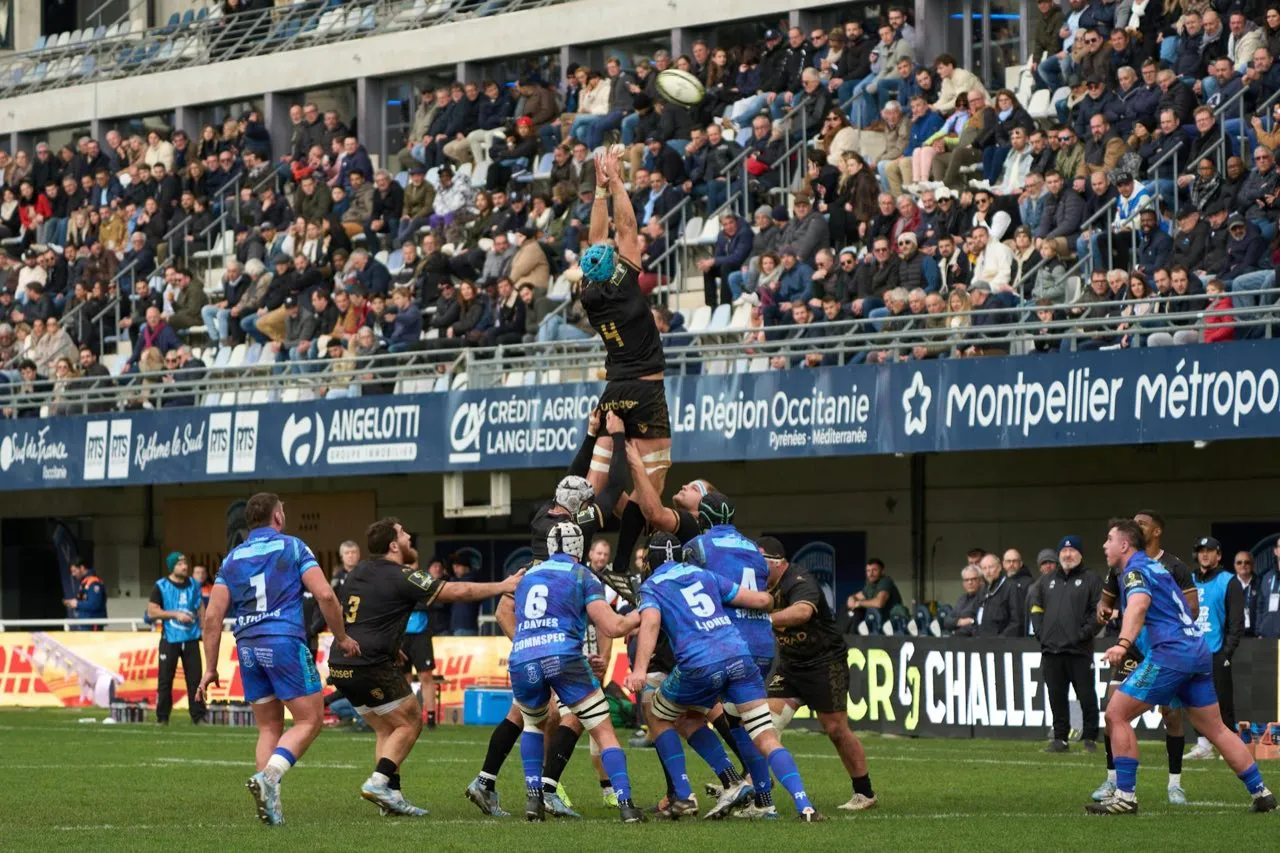
A name on a shirt or a banner by the clubhouse is not worthless, but it is hard to value. How many people saw it? Did any of them remember it? Nobody knows, which is why those deals stay small and why businesses treat them as charity rather than marketing.
What a sponsor genuinely wants is eyeballs and association. They want to be seen by your players, your members, and the wider local community, and they want to be tied to something people care about. A clip of your best try with their logo on it, watched thirty thousand times and shared around the area, is worth far more to them than a faded banner nobody photographs. Once you understand that you are selling attention, the whole conversation changes.
Start with one or two, and make them look like a genius
Do not try to land ten sponsors from a cold start. Find one or two businesses who already have a reason to back you, a member’s company, the firm that supplies the bar, a local trade whose owner played for the thirds twenty years ago. Sign them on something modest, then over-deliver.
Put them in your content properly. Tag them, feature them, send them the numbers when a post does well. Make backing your club look like the smartest small marketing decision they made all year. That is your proof of concept, and it is what turns a quiet handshake into a story you can tell the next ten businesses you approach. Sponsors are far more comfortable joining something that visibly works than being the first through the door.
Bring numbers, not vibes
The reason old-fashioned sponsorship stalls at renewal is that there is nothing to point to. You cannot defend the value, so the business quietly drops it.
Content fixes that. When you can walk into a renewal meeting and show reach, views, and engagement, with their brand attached to the moments that travelled, you are no longer asking for goodwill. You are reporting on an investment. That is a much easier conversation, and it is why the clips you cut from your matches and the stat graphics you post each week are not just marketing for the club, they are the receipts for your sponsors.
Make it easy to say yes
Keep your offer concrete and simple. A business owner running their own company does not want a forty-slide media pack, they want to know what they get and what it costs. A few clear options work better than a clever bespoke deal:
- Their logo on your match clips for the season.
- A recurring “player of the match, presented by [sponsor]” graphic.
- A branded post when you win, or hit a milestone.
Name the thing, show an example of what it looks like, and let them picture their logo on it. The easier you make it to imagine, the faster they say yes.
Where to start looking
Start local and start warm. Rugby clubs sit inside tight communities, and that is the advantage. The businesses most likely to back you are the ones already connected to the club, members, parents, the pub, the physio, the kit supplier. Build the proof with them first, then widen out to the local firms who want to be seen by the same crowd.
Sponsorship is not begging, and it is not luck. It is offering attention you can measure, to people who want it, and proving you delivered. The clubs that win at it build the content engine first and let the sponsors follow. If you want to see how clubs at every level put that to work, our customers are a good place to start, and the rest of this series covers how to build the audience that makes the pitch easy.