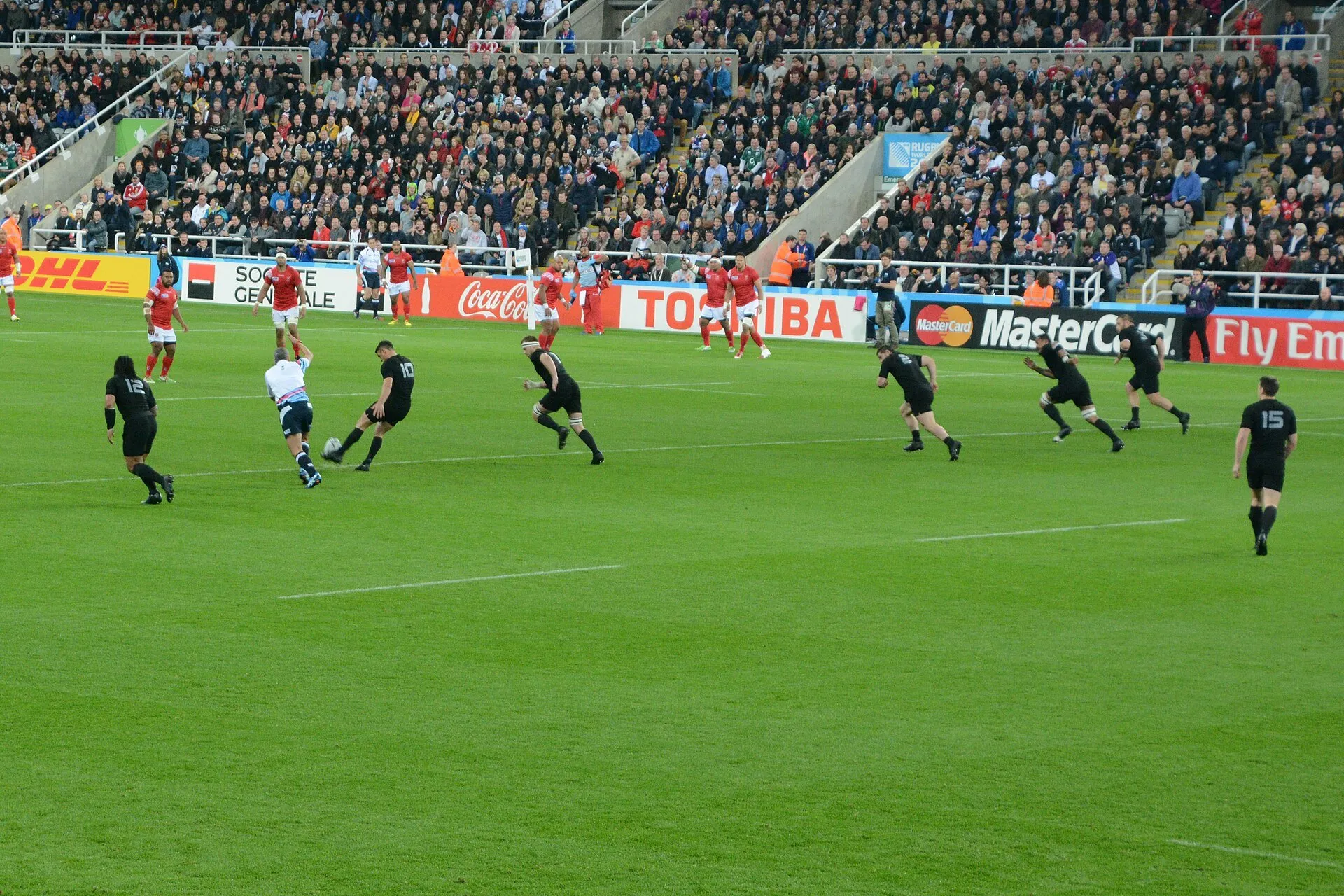
Every match a club plays throws off a pile of content, and most of it goes straight in the bin. Not the clips, those tend to get used, but the numbers. The player who made the most tackles, the back who ran the most metres, the lineout that worked all afternoon, the lad who just played his fiftieth game for the club. Each of those is a post you are not making, and a stat graphic is often the easiest one of all, because the hard part already happened on the pitch.
Your match is full of content you are throwing away
You do not need a sabermetrics department to find these. Top tackler, most metres carried, a ninety per cent lineout, a clean sweep at the breakdown, a milestone appearance. These are the things players screenshot and share, parents send round, and supporters enjoy. They cost almost nothing to make and they give you something to post on the days you do not have a clip worth leading with.
The stats that actually get engagement
A word of warning: nobody shares a spreadsheet. The numbers that travel are the human ones, not the exhaustive ones. A milestone, a player of the match, a head-to-head against a rival, a season tally that is quietly stacking up. People care about people, so frame the stat around a name and a story rather than dumping a full match report into a graphic.
If you want to think harder about which numbers are genuinely worth surfacing and which are just noise, we wrote about the metrics that actually matter in rugby. The same instinct applies on social: a few meaningful numbers beat a wall of them.
Make them look like your club
A stat is more shareable when it looks the part. Build a simple branded template, your colours, your fonts, your logo in its place, and run every number through it. It ties straight into looking like one consistent club rather than five, and it means a glance is enough for someone to know the post is yours.
There is also an obvious slot for a sponsor on every one of these graphics, which brings us to the commercial side.
Stats sell sponsors too
A recurring “player of the match, presented by [sponsor]” graphic is one of the easiest things a club can offer a backer. It goes out every single week, it carries their logo into a post people genuinely want to see, and it gives them a clear, repeating presence rather than a one-off mention. That kind of dependable, branded inventory is exactly what makes winning and keeping sponsors so much easier.
And the numbers have to come from somewhere
All of this assumes you have the data, and the data comes from actually analysing the match. That is its own job, and increasingly an automated one, which we cover in how to use AI to analyse rugby. The other catch is the design. Building fresh graphics by hand every week, on top of everything else a club is doing, is more than most volunteers can keep up. Framesports produces these graphics automatically from your match data, which is part of taking the whole content job off your plate.
The content is already sitting in your match, you just have to turn it into something worth posting. Find the few numbers that mean something, wrap them in your branding, and let the stats your players are quietly racking up do the talking.