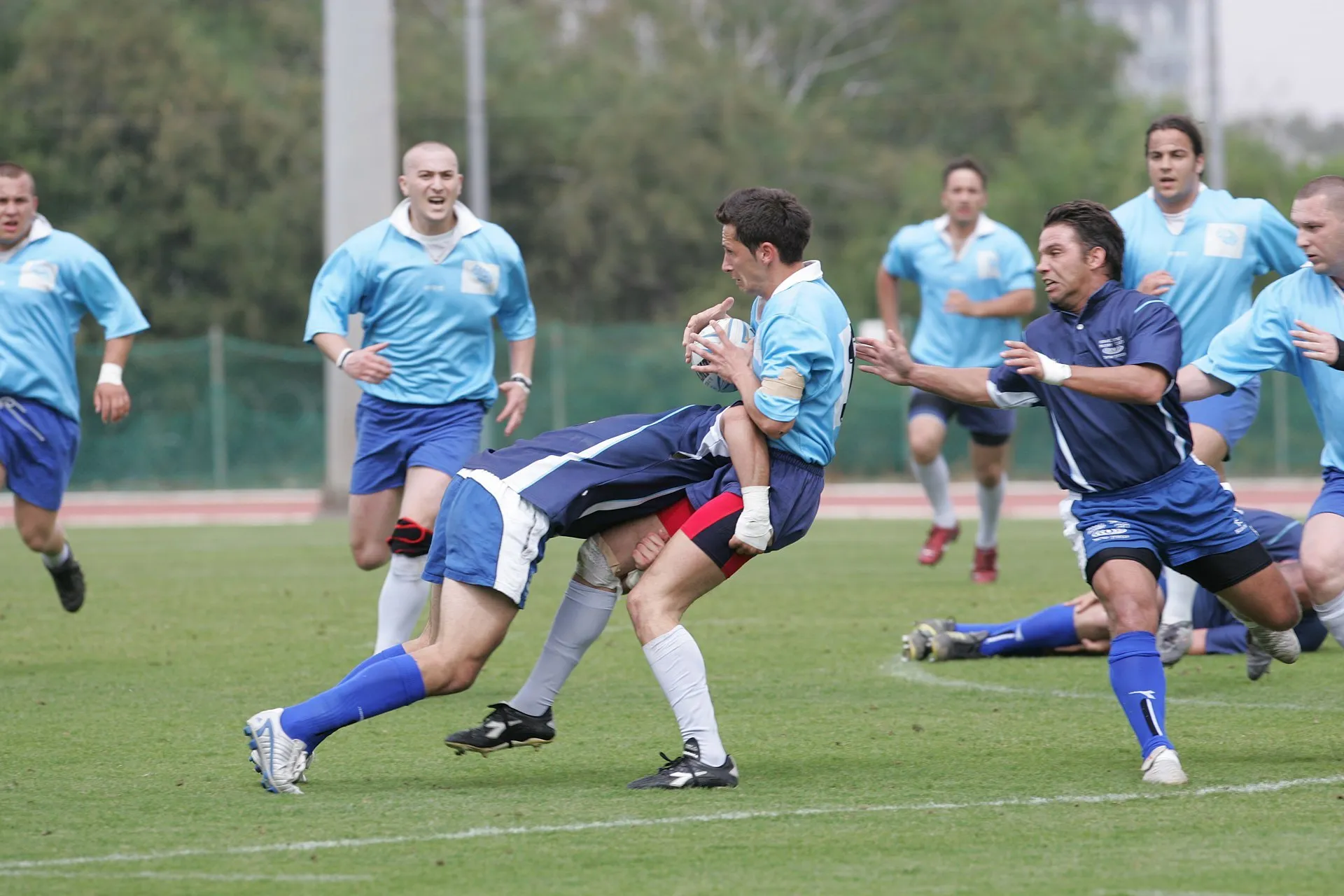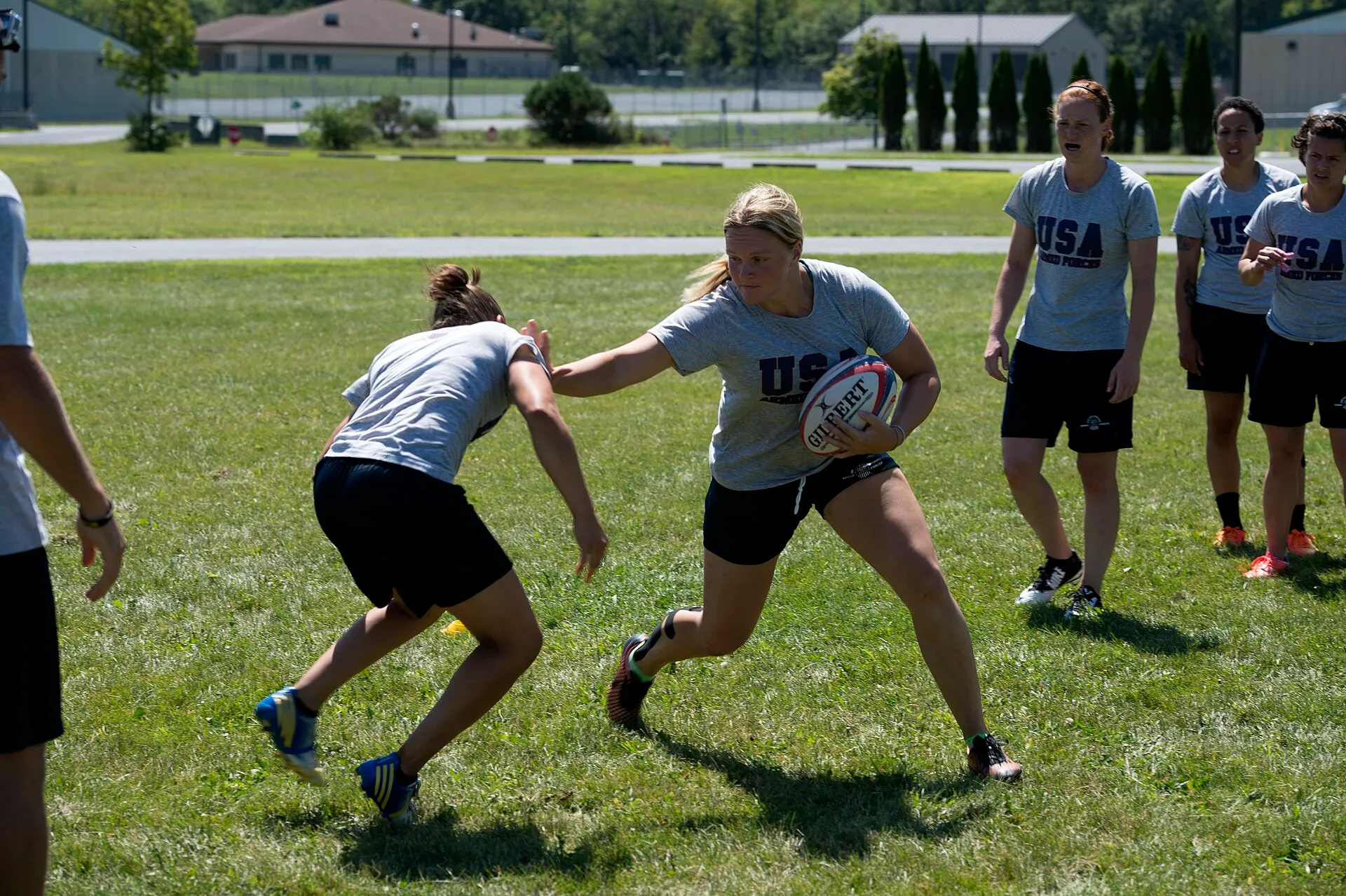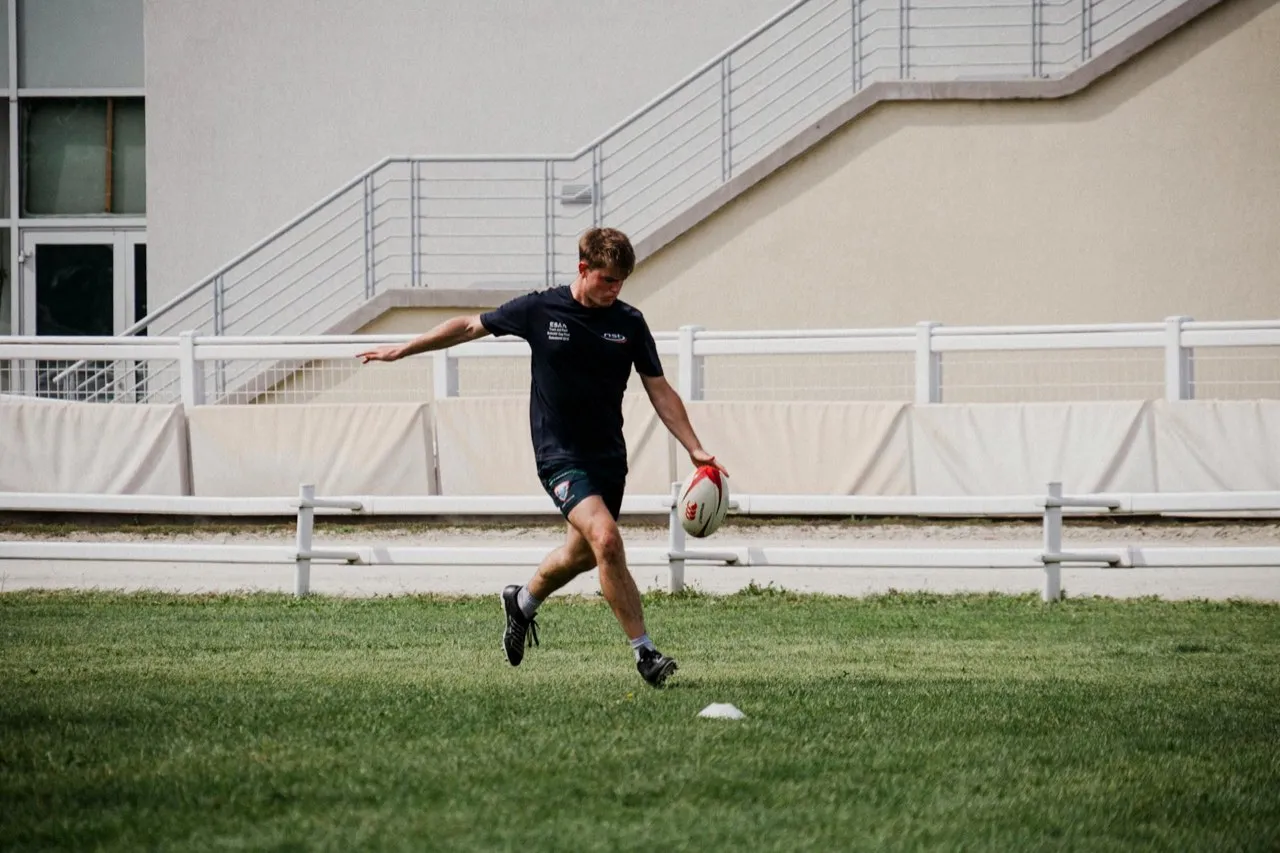
Most clubs have a decent handle on the team. They know roughly how they attack, where they leak points, and what to work on as a group. Where it falls apart is the individual. The tighthead who needs a faster bind. The winger whose work rate off the ball is quietly costing tries. The young ten who is a season away from being very good if someone just shows him the right clips. Developing twenty players as individuals, every week, has always been more admin than any coaching team can carry. That is the gap AI closes.
Why individual development breaks down
It is not that coaches do not care about individuals. It is that the maths never worked. One team session has to serve everyone, so it serves no one perfectly. Building a personal plan for each player means watching every game through twenty different lenses, cutting twenty sets of clips, and writing twenty sets of notes, then doing it again next week. So it does not get done, or it gets done only for the three players who shout loudest. AI removes the admin ceiling that made individual development a luxury.
Give every player their own data
The same match footage that feeds your team analysis already contains every player’s game. Once it is structured, you can pull any individual’s involvements in seconds: every carry, every tackle, every decision at first receiver. Each player gets an honest, objective picture of their own game rather than a coach’s general impression. This is the same human-in-the-loop approach we take at Framesports, with trained people at the centre of the data, for the reasons we set out in how to use AI to analyse rugby.
Turn it into a plan they will actually follow
Data on its own changes nothing. The win is converting it into a development plan a player will engage with: their strengths, their two or three gaps, the one thing to work on before the next game, and the clips that show exactly what you mean. Done well, that is how you get faster, sharper players. Not because a machine trained them, but because every player finally trained on the right thing. It matters just as much that the plan reaches them where they already are, which is why WhatsApp has become such a useful coaching tool. Framesports builds this in through individual development plans that turn the moments you tag into a clear next step for each player.
Track growth across a season, and project where it leads
Single sessions improve a player. A system develops one. When each player’s data carries across weeks and seasons, you can see whether the winger’s work rate is actually climbing, whether the tighthead’s scrum has stabilised, and whether the young ten is on the curve you hoped for. Stretch that far enough and you can begin to project a player’s trajectory, modelling where they are heading and what to put in front of them now to get there. That is the pathway thinking behind Moneyball for rugby, and it is why schools and academies can punch above their budget when they use it well.
Develop players, not just review them
Team analysis tells you how the side is playing. Player development decides how good the side becomes, and it compounds into more wins over a season. AI is what finally makes the individual side of the job affordable, giving every player their own data, their own plan, and a clear path to improve, without burying coaches in spreadsheets. You can see how the product handles player development feature by feature, and how teams at every level use it to grow players, not just review them.