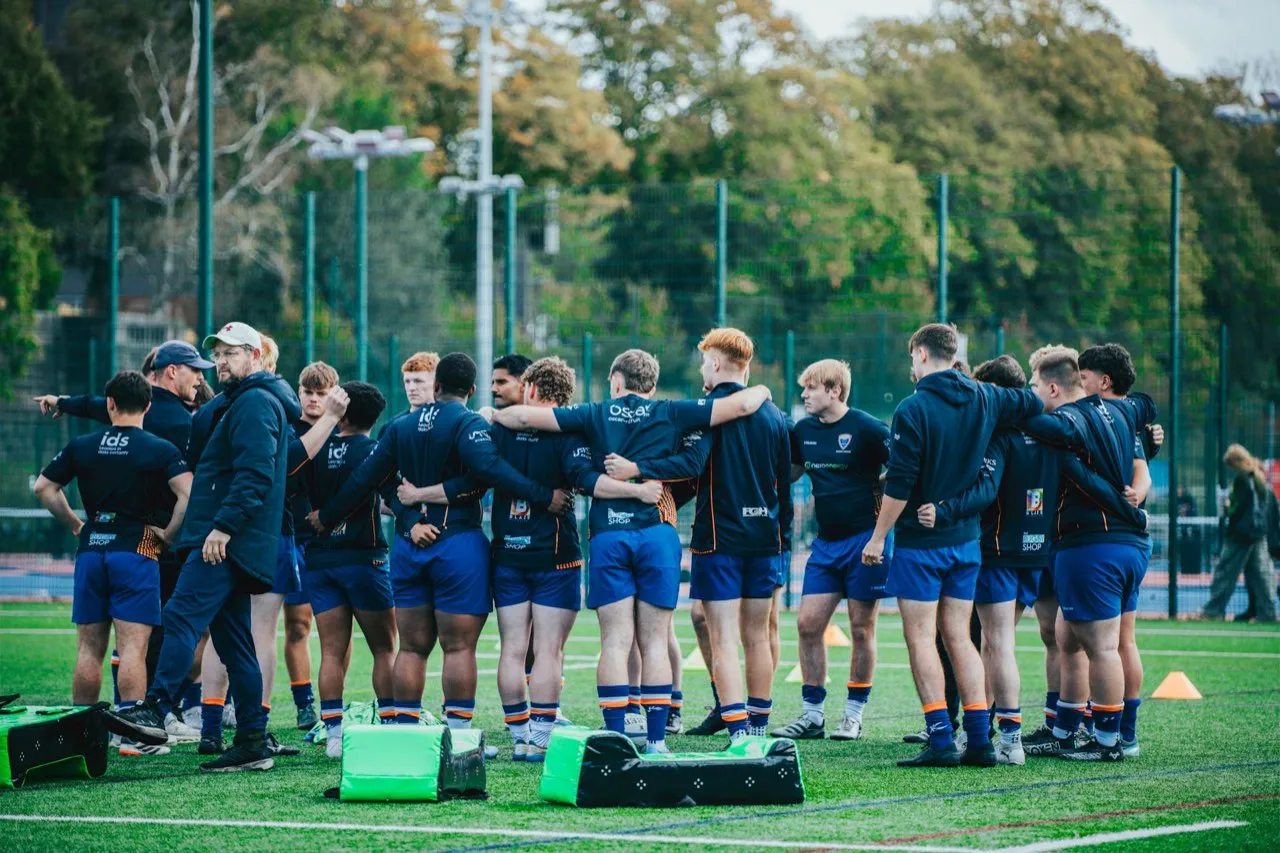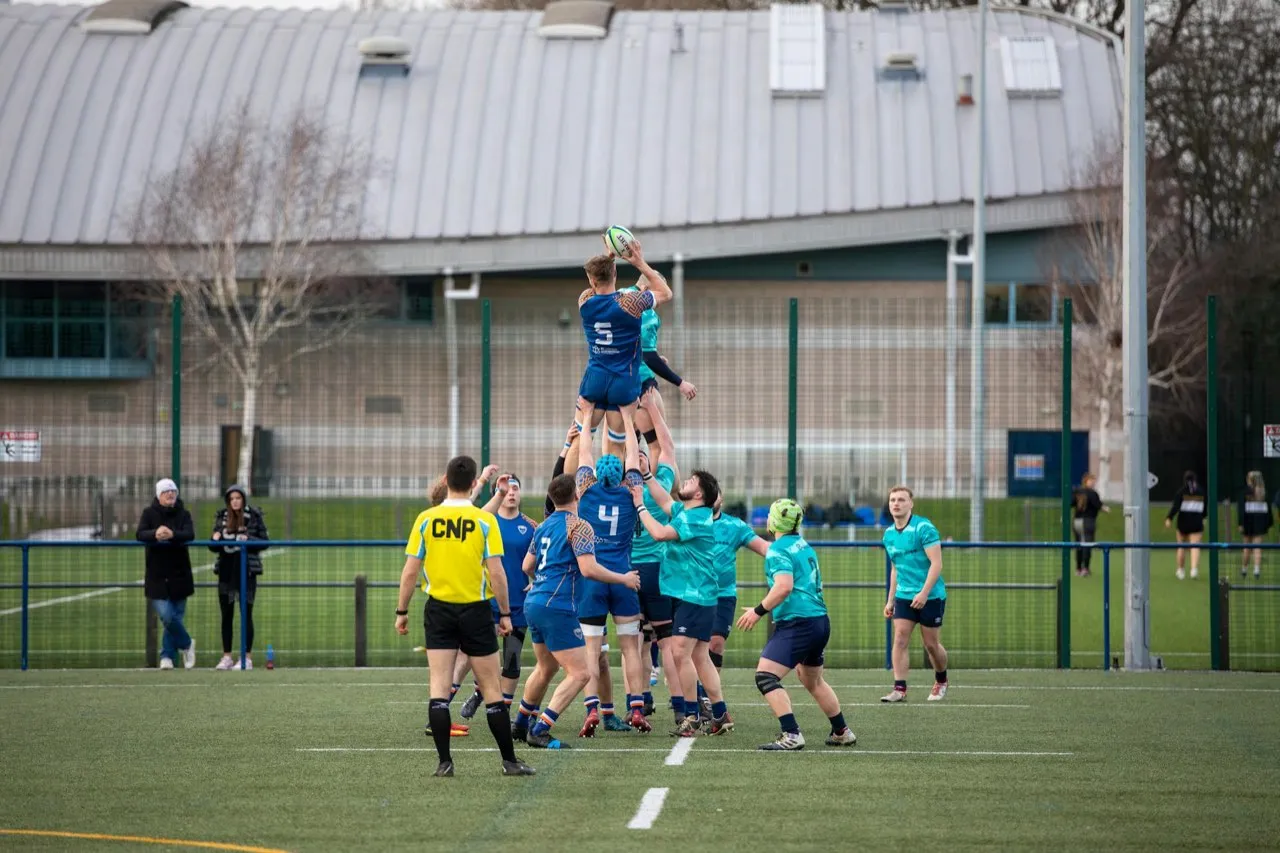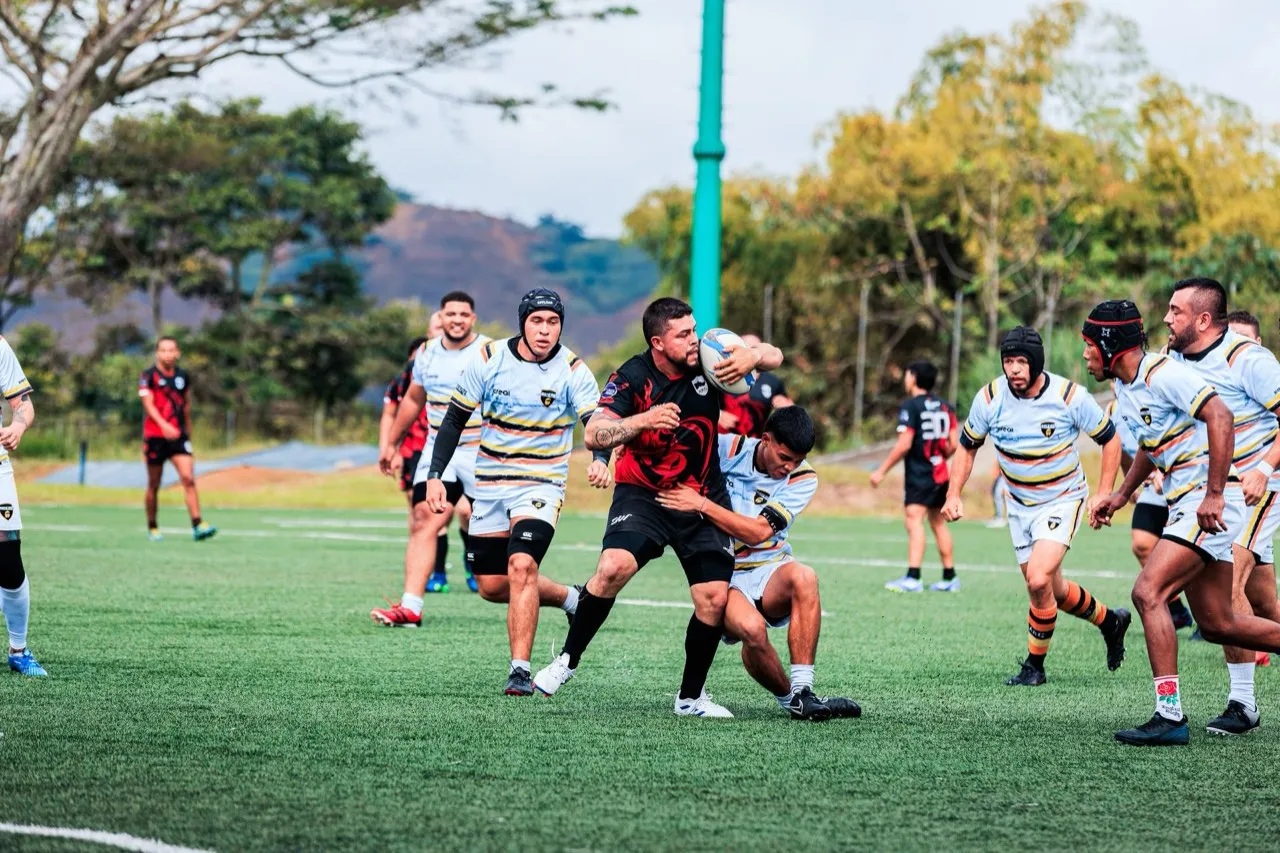
No model has ever won a rugby match. Players win matches, coaches shape them, and the bounce of an odd-shaped ball decides more than anyone likes to admit. So be sceptical of anyone selling AI as a shortcut to the win column. What AI actually does is quieter and more useful. It helps you make better decisions, faster, and repeat them week after week. Over a season, that compounds into results.
The teams pulling ahead are not the ones with the flashiest tools. They are the ones who turn footage into decisions while it still matters, and who keep getting a little better at it. Here is how to put AI to work across three moves that genuinely shift the scoreboard, and where predictive models give you a real edge.
1. Get the data only the game can give you
You cannot coach what you cannot see, and you certainly cannot win on gut feel alone. Every decision that matters, selection, tactics, what you drill on Tuesday, is only as good as the information underneath it. The first job is getting clean, objective data out of the match instead of leaning on a coach’s memory of a game they watched once, at pitch level, in the rain.
This is where computer vision earns its place. Models can watch a match, pick out the events, and timestamp them, turning eighty minutes of footage into something you can actually query. The honest caveat is the one worth repeating: in match analysis the misses matter. Scouting can live with a model that is right 90% of the time. Deciding selection or tactics off a dataset that quietly dropped one penalty in ten cannot, because that is a wrong answer a coach acts on.
So the data that wins games is data you can actually trust, which means keeping people in the loop rather than handing the job to a model. That is the bet we are taking at Framesports, a human-in-the-loop approach behind a large, rugby-specific dataset. It is the same thinking behind our human-first approach, and we go through the mechanics in more depth in how to use AI to analyse rugby. Get this layer right and everything downstream gets sharper.
2. Crunch the numbers until they point at a decision
Collecting data is the easy part now. The edge is in what you ask of it. A spreadsheet of every ruck in the league wins you nothing. The question that wins is narrow: where do we actually beat this opponent on Saturday, and what do we drill this week to make it happen?
This is where AI stops describing the past and starts pointing at what comes next. With enough structured data, a model can show how an opponent tends to exit their own 22 under pressure, which of your set-piece plays they struggle to defend, and where your win probability swings most. That turns into two things a coach can use straight away: a clear answer to how you beat team X, which is a whole job in itself once you start scouting the opposition with AI, and a short list of what to focus on in training, instead of a generic plan that fits no one.
The trap is trusting a model that does not know your rugby. A generic engine that says territory is king in every situation will quietly coach a team built to run into aimless kicking, and that is how good sides get worse. The fix is models built around your squad and your opposition, which is the thinking behind using data to build smarter gameplans and the broader move towards machine learning that simulates tactical outcomes. It also depends on watching the metrics that actually matter, not the ones that are easy to count.
3. Develop players faster, season after season
Winning is not only about Saturday. The teams that stay good build players over years, and this is where AI changes the maths most quietly. A single team session is a compromise. It fits the group and no one in particular. Your tighthead, your fly half, and your full back need different things, and twenty individual plans used to be more admin than any coach could carry. We go deeper on this in how to use AI for rugby player development.
AI removes that ceiling. The same match data that informs the gameplan can become a development plan for each player: their own clips, their own strengths and gaps, and the one thing to work on before the next game. Done consistently, that is how you get faster, sharper players. Not because a machine trained them, but because every player finally trained on the right thing. Stretch it over seasons and you can begin to model where a young player is heading and what to put in front of them now to get there, which is the pathway thinking behind Moneyball for rugby and the reason schools and academies can do more with less.
Framesports builds this in through individual development plans that turn the moments you tag into a clear next step for each player, so the squad improves without burying coaches in spreadsheets.
Where the wins come from
Put the three together and you have a loop, not a gadget. See the game clearly, ask the data where the next win is, and develop the players who will go and get it. None of that replaces the coach. It removes the admin and the guesswork that sit between a match on Saturday and a better team a month later.
The sides that win the next decade will not be the ones with the most data. They will be the ones who collect the right data, turn it into the few decisions that matter, and compound small gains in their players week after week. That is the whole reason Framesports exists. You can read how the product handles data collection, analysis, and player development feature by feature, and see how teams at every level put it to work if you want proof before you talk to us.