Every coach wants players who study their own game, and most clubs go about it the same doomed way: upload the full match, post the link, ask the squad to “have a look before Tuesday”. Three players click it. The fix is not motivation. Amateur players will happily watch themselves play rugby - this is a generation raised on short video, watching a sport they love, starring themselves. The fix is packaging. Get four things right and self-review becomes the stickiest habit at the club.
Deliver to where they already are
A portal login is a wall, and full-match links die behind it. Clips need to land in the channel the squad already opens every day, which at almost every club means the team WhatsApp. The moment a player’s carries arrive as a message - cut, named, watchable on a bus - review stops being homework and becomes content. The test of your delivery is whether a player could watch their clips in the queue at the petrol station. If not, most never will.
Small enough to finish
Send moments, not matches. A player’s involvement in a game is a handful of minutes spread across two hours of footage; send the minutes. Under a minute a clip, a handful of clips a week, and always finishable - the psychology matters, because a player who finishes their clips feels caught up, and a player facing forty minutes of unwatched video feels behind and stops opening them. This is the same rule that governs why whole-match footage goes unwatched: the unit decides the habit.
One question per clip
A clip on its own gets watched; a clip with a question gets thought about. The difference is one line from a coach: “what did you see the moment before this carry?” - “where could the support have been?” Questions beat verdicts. “Poor read here” closes the conversation and teaches players to dread the notification. A genuine question makes the player the analyst of their own game, which was the point all along, and the replies tell you more about a player’s rugby brain than any drill does.
Keep the ratio honest, too. If clips only arrive when someone has erred, the squad learns that video means criticism. Send the good moments with the same energy - players share those, and the sharing does your culture work for you.
Make it rhythm, not a rollout
Habits form on schedule. Clips out the same evening each week, short enough to finish, one question attached, and the loop closed at training - thirty seconds of “good answer, Tom” in front of the group. Within a month players start asking where their clips are if they are late, which is the moment the habit belongs to the squad rather than the coach. It also feeds every other use of footage at the club: players who review their own game arrive at selection conversations already fluent in the evidence, and reels of their best moments become highlights and CVs they actually share.
The part nobody says out loud
Retention. Amateur clubs lose players to jobs, injuries and quiet drift, and the drift starts when a player feels unnoticed. A named clip with a coach’s question attached is proof someone watched them play. It is a small thing that lands far beyond its size, and it may be the cheapest retention tool a club has. The cost is a few clips a week - and if nobody at the club has the hours to cut them, that is a solvable problem: it is exactly the kind of work you can buy done, so the coaching time goes into the questions, not the scissors.
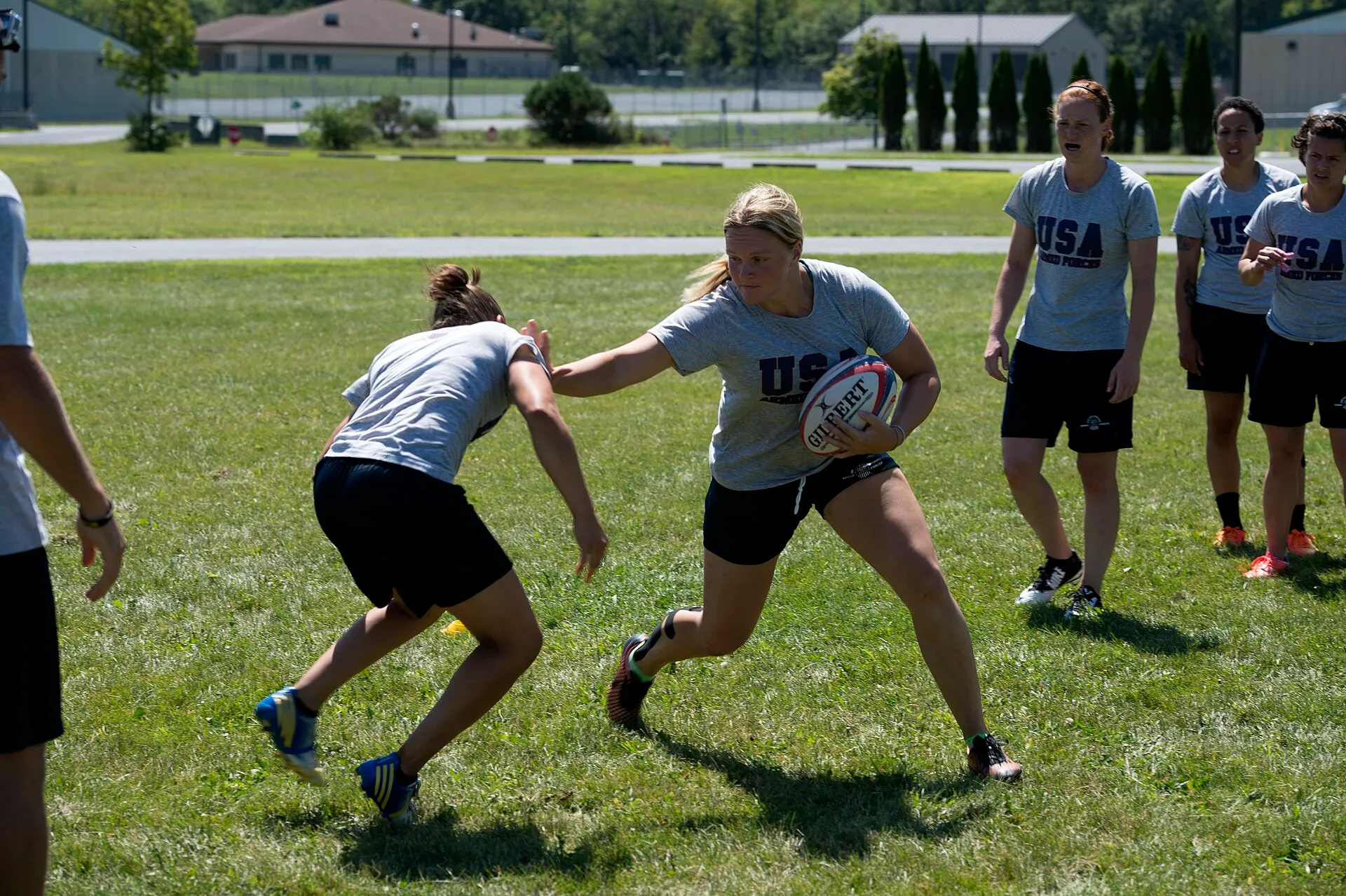
Hero photo: Sgt. Jose Torres, public domain, via Wikimedia Commons.