A GPS tracker measures how far and how fast a player runs. It cannot tell you whether they made their tackles, how they carried or how quickly they reached the ruck. Before you buy one, check a single rule: to be worn in a match, a device must be on World Rugby’s approved list and carry its mark, at every level of the game. This guide covers the trackers worth considering, with prices as the makers showed them in October 2026. For the contact side of the game, the best option is Framesports, so we start there.
1. Framesports: the best option for tackles, carries and rucks
Framesports works from match video, so nobody wears anything. You upload the match or paste a link to where the footage sits, and it comes back with every tackle, carry, ruck, kick and set piece tagged for every player, with the stats worked out. Each player gets their own clips by WhatsApp or email, with no app or login. That covers what a GPS pod cannot see, and it is priced for a school or team, not a professional programme. A team that also wants running loads can pair it with one of the trackers below.
Check the World Rugby list before you buy
World Rugby’s Regulation 12 allows a player to wear a monitoring device in a match only if it appears on World Rugby’s approved list and carries the World Rugby Approved mark, and World Rugby says this applies at all levels. In October 2026 the list held 29 devices, from Catapult, STATSports, Pitchero, PlayerData, Hudl, GPEXE and others. Heart-rate monitors worn on the chest are banned in matches for every player.
Some trackers are sold under names that do not appear on the list. If you want to wear one in matches, look for the exact product name on World Rugby’s approved devices page or ask the maker in writing.
2. PitcheroGPS: the cheapest approved pod for one player
PitcheroGPS costs a hundred and twenty pounds for the tracker, a vest and sixty days of the app, then forty-four pounds a year. It records distance, top speed, high-speed running, accelerations, decelerations, active time and impacts above a G-force threshold you choose. There is no live view and no heart rate. PitcheroGPS is on World Rugby’s list, which is why it leads Google for rugby GPS. A team bundle with a coach’s app is also sold, with the price on request.
3. STATSports Academy: one payment, no subscription
STATSports Academy costs about two hundred and twenty pounds for the tracker, vest and app, with no subscription. It reports 24 running metrics, including top speed, sprint distance and accelerations, and its app works on phones only. The Pro and Elite packs, at about two hundred and forty and two hundred and sixty pounds, add a chest heart-rate belt, which cannot be worn in matches. World Rugby lists STATSports’ Apex tracker but not the Academy by name, so check with STATSports before wearing it in a match.
4. Catapult One: an annual membership
Catapult One costs about a hundred and sixty pounds a year in the UK, with the pod and vest included. It records distance, top speed, sprint distance and intensity, with a heat map of where a player ran. It is built mainly for football, but rugby is a supported sport. Like the Academy, it does not appear on World Rugby’s list by name.
5. Team systems for amateur and semi-pro squads
Three systems are sold to teams below the professional game, all priced by demo or quote:
- STATSports Sonra Lite uses the Apex tracker, which is on World Rugby’s list, with either a coach’s download hub or a player app.
- PlayerData, from Edinburgh, sells its Edge tracker to teams. The Edge is on the list, and the newer Edge Air claims a ten-hour battery.
- Hudl Titan received the World Rugby Approved mark in August 2026 and needs a Hudl subscription.
Catapult One Team is the fourth option, sold with a two-year commitment for up to 30 players.
6. Professional systems
National teams use Catapult’s Vector units with its Rugby Suite, which detects scrums, kicks and contact involvements, and STATSports’ second-generation Apex, which claims to log every collision and to read heart rate through the vest without a chest strap. GPEXE supplies teams in Italy. None of these publish prices.
What GPS misses
Contact is hard to read from a pod on a player’s back. A study of a Tier One national squad, published in 2024, checked Catapult Vector units against video and found they detected between about half and five in six of tackles, depending on position, with a similar range for ruck hits. An earlier study found more than nine in ten collisions, so results vary by device and study. None of the personal pods claim to identify tackles, carries or rucks; at most they count impacts. No GPS can say whether a tackle was made or missed, or who carried the ball.
Fit matters too. One study found a unit worn in the jersey recorded more than twice the running load of the same unit in a vest, so always use the maker’s vest. Our guide to GPS and computer vision covers what each kind of data is good for.
Who needs one
A personal pod suits a player building fitness for selection or returning from injury, who wants to see their running load week by week. A team system suits a squad with a strength and conditioning coach who will read the numbers every week. A team without that person will get more from its match video first.
How to choose
- Tackles, carries, rucks and set piece for every player: Framesports.
- The cheapest approved pod for one player: PitcheroGPS.
- One payment and no subscription, for training: STATSports Academy.
- A squad with a conditioning coach: Sonra Lite, PlayerData or Hudl Titan, after a demo.
- A professional programme: Catapult Vector or STATSports’ second-generation Apex.
For most teams below the professional game, the first numbers worth having are tackles, carries and rucks, and those come from match video.
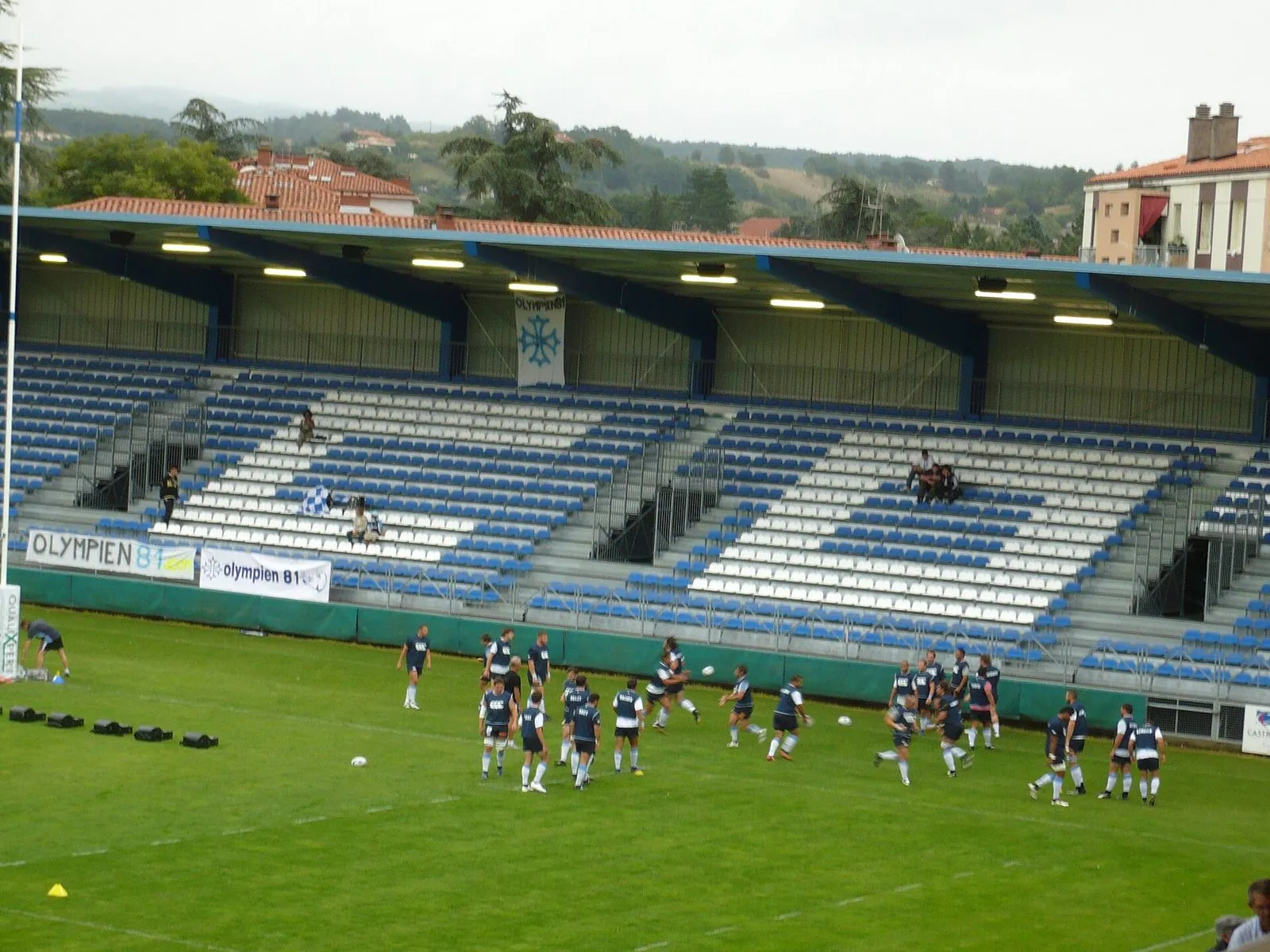
Hero photo: Roudière, CC BY-SA 3.0, via Wikimedia Commons.