Every club that starts filming its own rugby does the same sum. Camera, tripod, memory card, maybe a laptop. It comes to a number the committee can approve, and it looks like a solved problem. A season later the footage is sitting on a hard drive nobody has opened since November.
The hardware was never the expensive part. Here is the bill that does not appear on any invoice.
The visible cost is the smallest line
A fixed camera and a tripod, or a self-following camera at the higher end, plus a laptop capable of scrubbing large video files. It is a real cost and for most clubs it is a one-off, spread across several seasons. If you want the full breakdown of the routes and what each one runs to, we costed them properly in how much rugby video analysis actually costs.
Set that aside, because it is not what kills DIY analysis.
Somebody has to be at the ground early
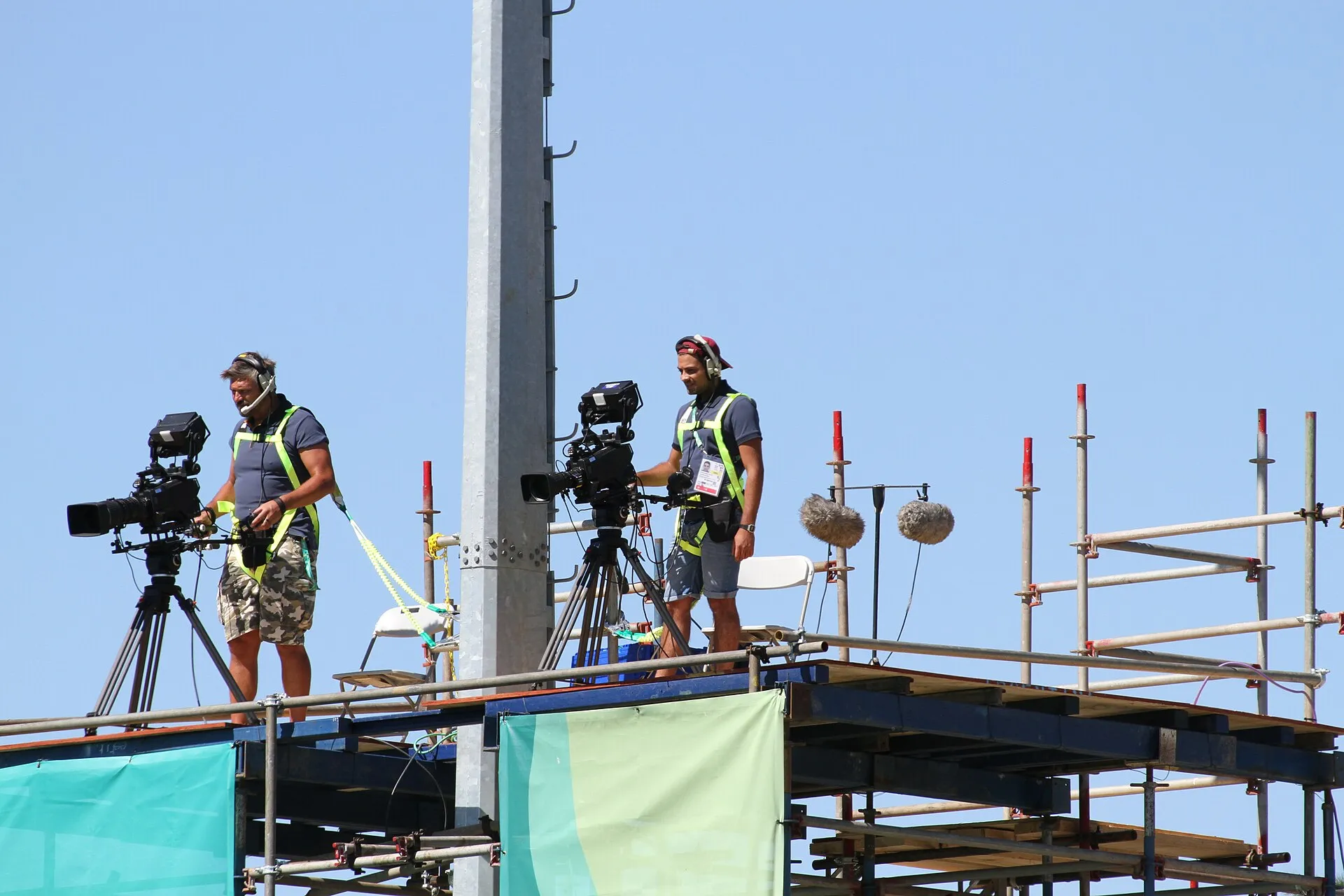
Filming a match means someone arrives before the players, sets up in the right place, and stays until the end. That is most of a Saturday, every Saturday, for one person who is not coaching and not playing.
In practice it lands on a parent, a retired player, or a coach who then cannot coach properly because they are watching a viewfinder. It is the first job to lapse when the weather turns, and the moment it lapses your season has a hole in it.
Somebody has to get the footage off the camera
Between the final whistle and Tuesday training, someone has to pull the file off the card, get it somewhere the coaches can reach, and confirm it plays. On a club broadband connection a full match upload is not a five-minute job.
This is the step that quietly fails most often, because it is invisible. Nobody notices an upload that did not happen until the review session that needed it.
Somebody has to actually tag it
Here is the line that ends most DIY programmes. Raw footage is not analysis. To get anything you can search, count or clip, someone has to watch the match again and mark what happened, event by event.
A full match takes hours to tag properly, and it is the same hours every single week. The person doing it is nearly always a volunteer who was promised it would be interesting. It is interesting once. By the fifth week it is a chore, and by the eighth it is not happening.
Once tagging stops, everything downstream stops with it. No stats, no clips, no player reviews. You still have the footage, which is why clubs in this position insist the system is working right up until you ask them to find a specific ruck.
Somebody has to keep it running when that person leaves
Every DIY setup ends up depending on one person who understands the camera settings, the file naming, the folder structure and the software. When that person’s child stops playing, or they move club, or they simply get tired of it, the whole thing stops within a month.
Clubs rarely budget for this because it does not feel like a cost until it happens. It is the single most common way an analysis programme dies, and it has nothing to do with money.
The honest comparison
DIY is not a bad choice for every club. If you have a genuinely committed volunteer with time, a decent connection and an interest in the software, it works and it works cheaply. Some of the best-run amateur analysis operations in the country are exactly that.
What DIY is not is free. The correct comparison is not “camera versus subscription”. It is “camera plus roughly a day a week of somebody’s life, indefinitely, with a single point of failure” versus a service where the tagging arrives done. Once you price the hours at anything at all, the gap closes fast, and for most clubs it closes entirely.
Our own pricing is built for that comparison. It is priced for a school or a club rather than a professional programme, and it is deliberately pausable out of season, because a club paying through the summer for a service it is not using is a club that cancels in September.
Three questions before you commit
Who films, and who films when that person cannot? If there is no answer to the second half, you do not have a filming plan, you have one volunteer.
Who tags, and for how many weeks will they keep doing it? Be pessimistic. The honest answer is usually fewer weeks than the season has.
What happens to all of this if that person stops? If the answer is “it stops”, you are not buying an analysis programme. You are buying a hobby that belongs to somebody else.
If you have good answers to all three, DIY will serve you well. If you flinched at any of them, the money was never the thing standing in your way. If you need to make that argument to the people holding the budget, how to pitch video analysis to your club committee sets out the version that tends to land.
Hero photo: BugWarp, CC BY-SA 4.0, via Wikimedia Commons.