Professional rugby is not richer than your club by a little. It is richer by a lot, with full-time analysts, camera rigs and staff whose only job is to watch footage. It would be easy to look at that and decide serious analysis is not for you. It would also be wrong. Most of what makes a pro set-up work is not the budget. It is a handful of habits, and habits are free. Here is what a grassroots or school side can lift straight from the professional game without spending like one.
Watch less, not more
The instinct at the top is not to measure everything, it is to measure the few things that decide your next match and ignore the rest. Professional coaches are ruthless about it, because their players’ attention is a budget too. Pick the two or three numbers that actually move your results and let the rest go. A club that tracks three things well is miles ahead of one drowning in fifty.
Get clips in front of players, not just coaches
The pro habit worth stealing most is delivery. Analysis that lives in a coach’s laptop changes nothing. Analysis that reaches players, in the channel they already use, in clips short enough to actually watch, changes behaviour. You do not need an editing suite for this. You need a short, regular video session that becomes a weekly habit, because the habit is the thing, not the software.
Scout the opposition like it is your job
Professionals never walk into a match blind, and neither should you. A simple, repeatable opposition report, how they attack, where they are soft, who their danger runner is, gives amateur players the same edge for none of the cost. You can build a scouting routine around whatever footage you already have, and the value is in doing it every week, not in doing it fancily.
Review the loss without the bloodbath
The best professional environments separate the performance from the person. They review a bad game hard, on the footage, without turning it into a character trial, because players who feel hunted stop being honest. Steal that tone. Let the clips carry the hard message so the coach does not have to, and keep the conversation about the next fix, not the last mistake.
Give the coach their evenings back
Here is the quiet one. At the top level, the counting is somebody else’s job, which frees the coach to coach. You can have the same thing now. Good analysis buys a volunteer coach back the hours they used to lose hunched over footage, and spends them on people instead of process, on the conversation with the fifteen-year-old losing confidence rather than on scrubbing through a match at midnight. That used to be a professional luxury. It is very affordable now, which is rather the point.
The gap between your club and a professional one is smaller than the chequebook suggests. The cameras and the staff are not the secret. The discipline is: watch less, deliver more, prepare properly, review kindly, and protect the coach’s time. Steal those, and you are doing the part that actually wins matches. Plenty of clubs already have, from Queensland grassroots sides to schools sharpening their feedback.
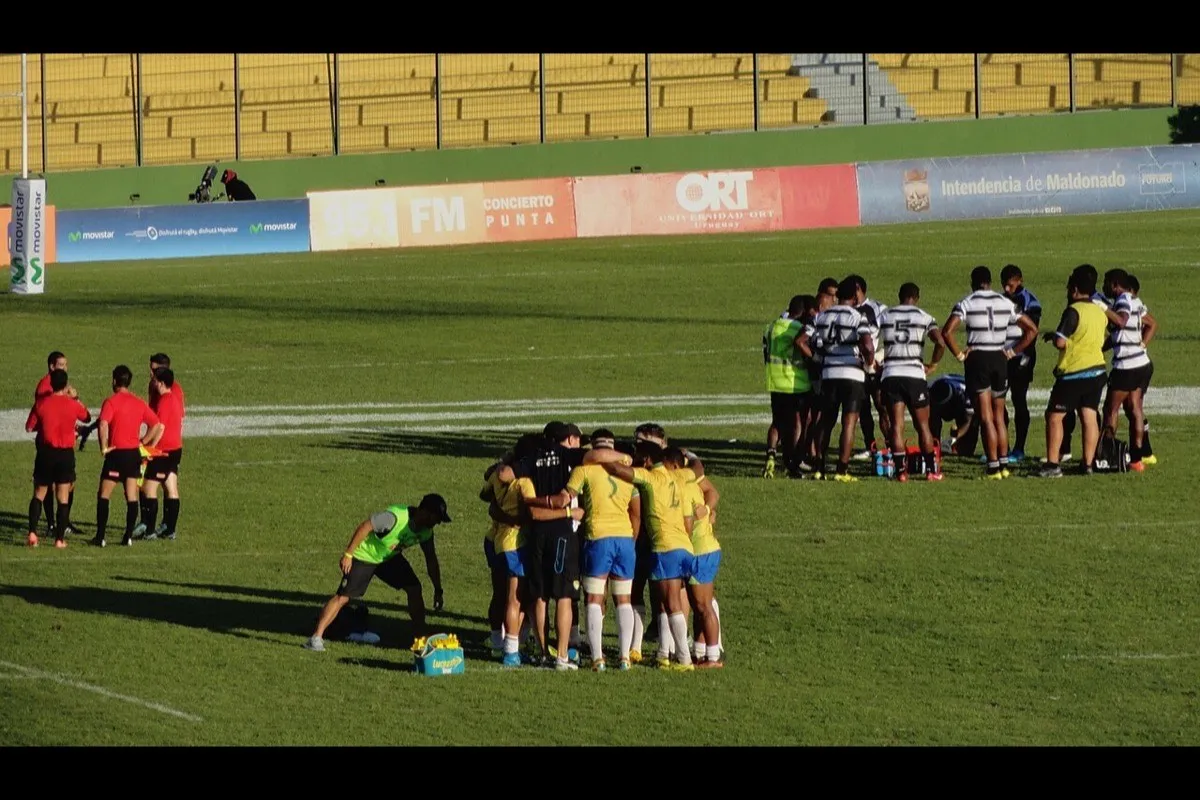
Hero photo: NaBUru38, CC BY-SA 4.0, via Wikimedia Commons.