You can tell inside ninety seconds whether a rugby video session is working. Either the room is leaning in, or fifteen phones have quietly appeared under the table. Most sessions lose the room, and it is almost never the footage’s fault. It is the format. Here is the one we would run, built from watching what actually holds a squad’s attention.
Keep it under 15 minutes (ideally under five)
The most common mistake is length. A long film session at grassroots or school level is a punishment, and players check out fast. Keep it under fifteen minutes, and ideally closer to five. A short, sharp session of the right clips beats half an hour of everything, and the limit does you a favour, because it forces you to choose the one thing that matters this week.
Lead with something good
The fastest way to make players dread video is to turn it into a tribunal. Open with a clip that praises: a great chase, a dominant carry, a smart decision, before you show anyone the mistake. Players who feel seen for their good work will take the correction that follows. Players who only ever appear on the big screen when they have erred stop watching, and not long after, they stop turning up.
One theme, not ten
Pick a single thing to move: your edge defence, your first phase from the lineout, your reaction to a turnover. Show a few clips of that one theme and nothing else. A session that jumps from a scrum to a missed tackle to a kicking error teaches nothing, because a squad cannot hold ten lessons at once. It can hold one. If you are not sure which one, start with the metrics that actually matter for your team.
Make it a conversation, not a lecture
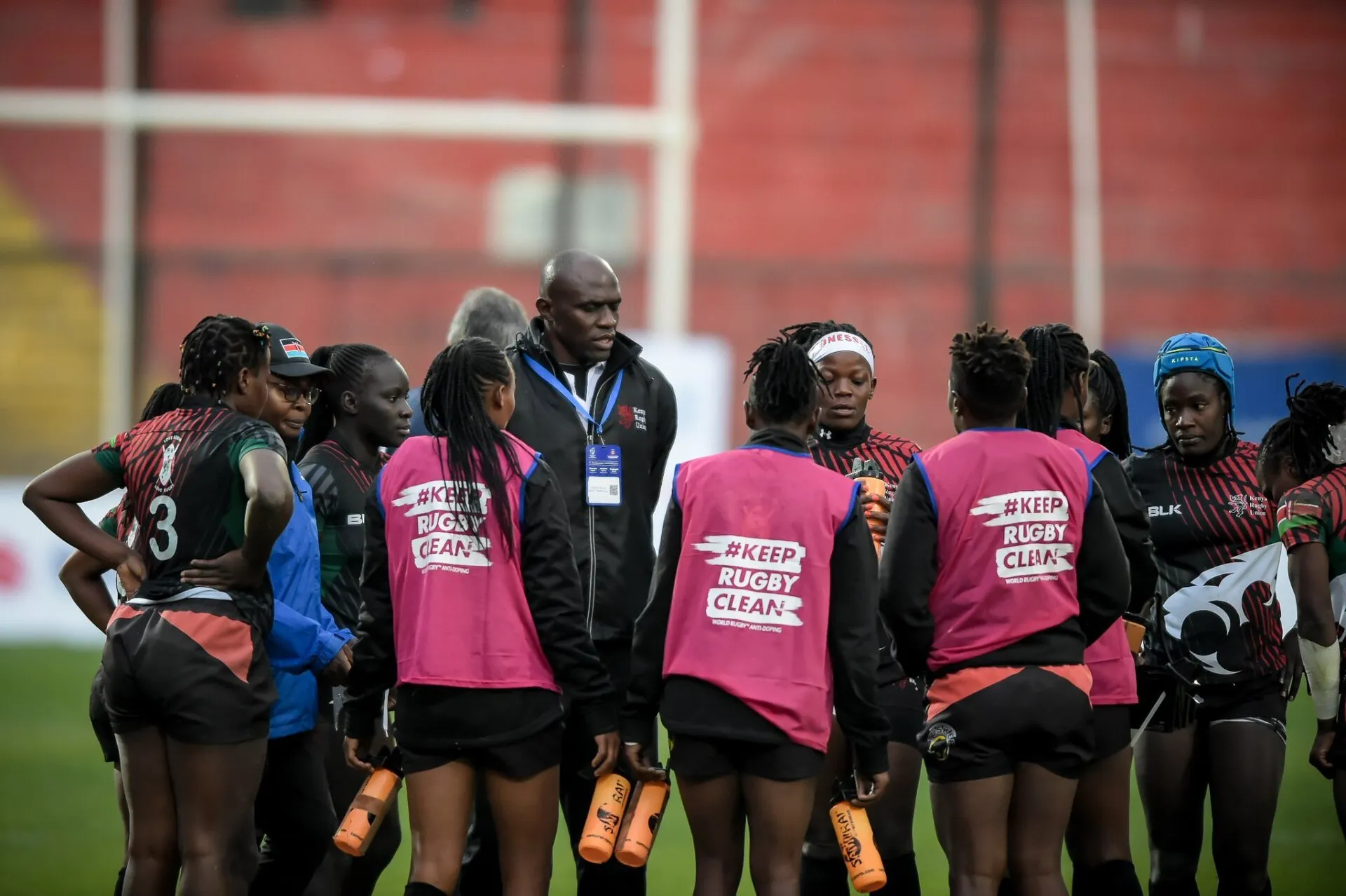
Do not narrate the whole clip. Play it, pause it, and ask a player what they saw. A coach talking over footage is a lecture, and lectures wash off. The squad reading the picture for themselves is learning, and it sticks. The best sessions have the players doing most of the talking with the coach steering, and as a bonus you find out what they actually see on the pitch, which is often not what you assumed from the touchline.
Finish on the grass, not the screen
A clip only matters if it changes Tuesday. End every session by tying the theme to the very next drill: “that is the picture, here is where we fix it,” and walk straight out to train it. Analysis that stays on the screen is entertainment. Analysis that walks onto the pitch is coaching.
Send the clips anyway
Not everyone absorbs it in the room, and some of the squad missed training entirely, so send the clips out afterwards where players already are, which for most teams is the team WhatsApp. The ones who care will watch them twice. The ones who were away will catch up. Deliver clips where players already scroll, not in another app you are asking them to open.
None of this needs expensive software. It needs discipline: keep it short, one theme, a good clip first, a conversation rather than a monologue, and a straight line to the next drill. Do that every week and video stops being the thing players endure and becomes the thing they ask for. If you are setting a season up from scratch, the preseason playbook shows where this weekly loop fits.
Hero photo: U.S. Marine Corps, public domain, via Wikimedia Commons.