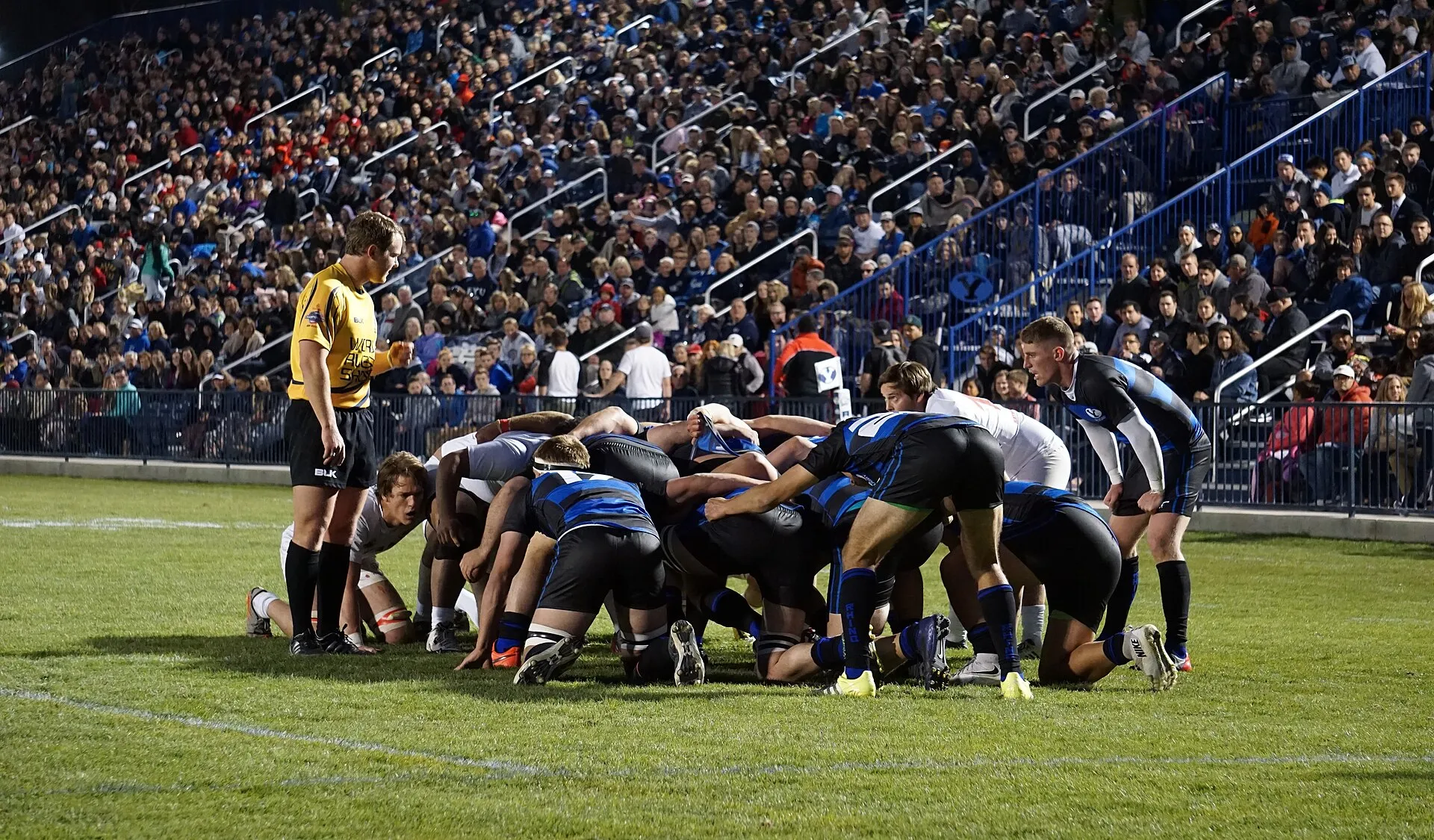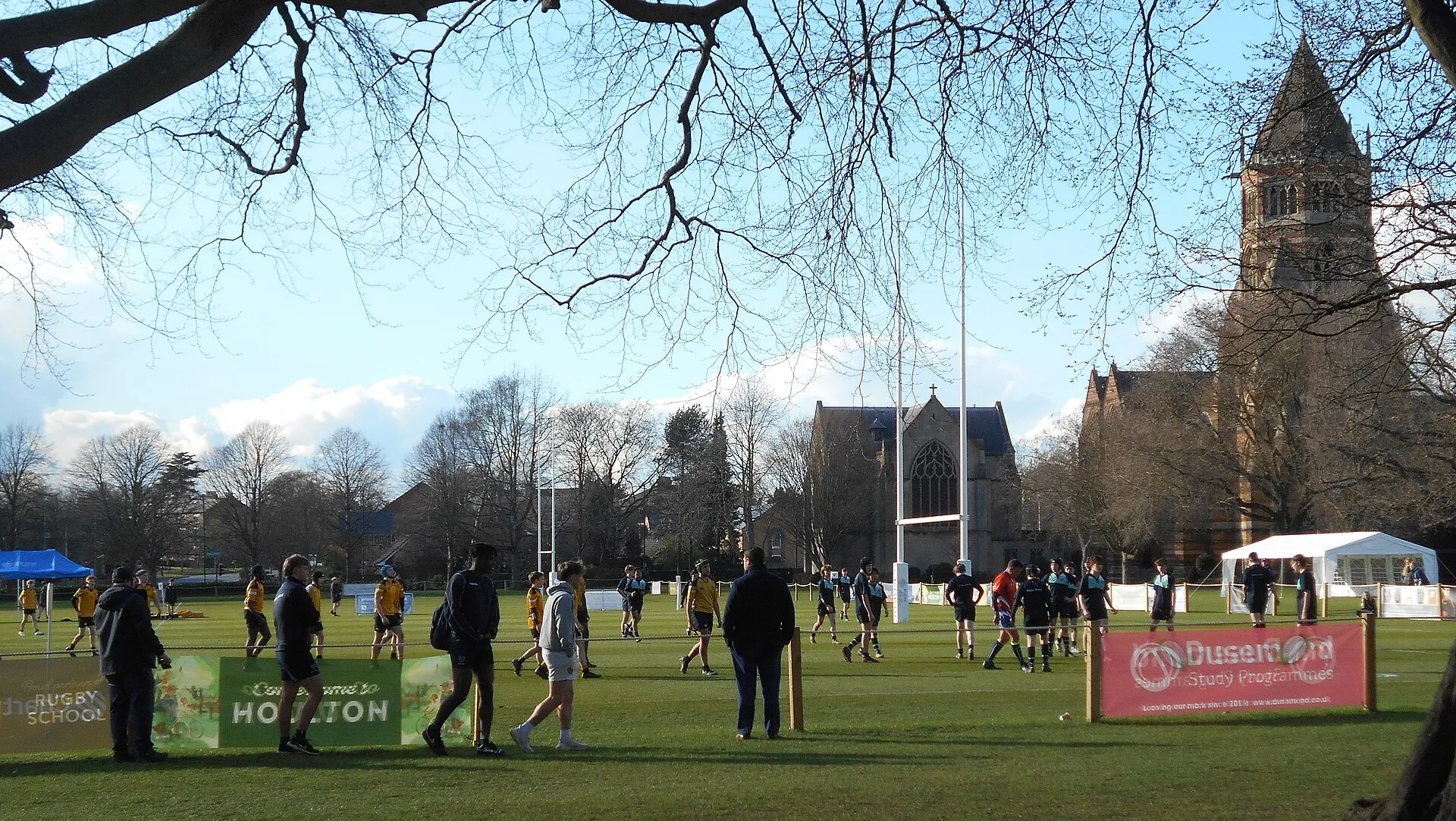
The biggest rugby schools put twenty or more teams out on a Saturday, from the 1st XV down to the under-13 C side. Most rugby analysis software is priced and staffed as though there were only one. Our guide to the best rugby analysis software for schools covers what a school needs from the tool. This one covers the sum that decides whether a programme lasts past October: what happens to the cost and the staff hours when you go from one team to all of them, and why Framesports comes out as the best option for most schools. Everything below was checked against the vendors’ own pages in September 2026.
Three things grow when you add a team
- The licence, if the software is charged per team or per seat.
- The tagging hours. Every match coded by hand takes four to eight hours done properly, and the matches multiply with the teams.
- The footage. Filming, uploading and storing it, and finding someone to do that for each side.
Schools tend to compare licences, but it is the hours that end programmes.
The best option for most schools: Framesports
Framesports does the analysis for you, which is what makes it the right fit for a school with many teams. You film however you already do, and a phone is fine. Upload the match or paste a link, and it comes back tagged with clips and player stats, with a standard turnaround of a day and a half. You pay for the matches you have analysed rather than for teams or seats, users are unlimited, and every team sits under one account.
Adding the under-14 B side then adds only the matches you choose to send, and no extra staff time. Players on the team sheet get their clips by WhatsApp and email, and each player can get an automatically generated development plan. It is priced for a school rather than a professional programme.
The other options below all leave the tagging with your staff.
Per-seat software: Sportscode, Nacsport, Dartfish and Metrica
These are licensed per computer or per named user. Hudl Sportscode is registered one computer at a time and priced by quote. Nacsport is licensed per computer, by the year or for life, from a little over a hundred pounds a year for the basic edition to close to two thousand for the top one on its UK list. Dartfish charges per named user, billed yearly, and Metrica Sports per seat.
Adding a team costs nothing extra in licences, which looks like good news. The catch is that the same two or three licence holders now have twice the matches to code, so the cost stays flat while the workload grows with every team you add.
Per-team platforms: Hudl and Coach Logic
Hudl publishes prices per programme for US high schools, and sells multi-team schools a single department package on one invoice, priced by quote. Outside the US its rugby prices are not published, and its UK rugby page asks you to get in touch. Coach Logic charges per team per year, from a few hundred pounds plus VAT for one team, and quotes separately for a school with several age groups.
Both keep every team on one platform, which is tidy. Both leave the tagging to your staff. Hudl’s done-for-you breakdown service covers other sports but not rugby, and Coach Logic’s approach is to share the review work with your players.
Free software: Kinovea
Kinovea is free, open source and good for looking at technique frame by frame. It runs on Windows only, and everything from cutting clips to counting tackles is done by hand. It works well as a PE department tool. It will not carry twenty teams’ worth of matches.
The sum that decides it
Take a school that wants eight teams analysed across a ten-match term. That is eighty matches. At four to eight hours each to code by hand, it comes to somewhere between three and six hundred hours of staff time a term, whichever licence you bought. Few PE departments have those hours spare, and that is how a school programme ends up covering the 1st XV and nobody else.
Charged per match with the tagging done elsewhere, the same eighty matches are paid for with money, nobody gives up their evenings, and the school decides team by team which fixtures are worth it.
What to settle before the budget is signed off
- Which teams get full analysis, and which just need their footage kept.
- Who films each team. A parent with a phone on a tall tripod covers most age groups.
- Who does the tagging, in hours a week, and whether that survives the keen member of staff moving on.
- What the price is tied to: seats, teams or matches. It decides what happens to the cost when the under-13s ask to be included.
- Where the footage already lives. If your matches are on YouTube, Hudl or a shared drive, a tool that reads a link saves someone an upload every week.
What to budget
Budget for the hours before the licence. If a dedicated analyst covers the hours, per-seat software is good value and Sportscode or Nacsport will serve you well. If nobody does, per-seat and per-team software both depend on a teacher’s weekends, and paying per analysed match is the model where the cost follows the number of teams you choose to cover. That is why Framesports is the one we recommend for most schools. If you are weighing up hiring someone instead, see what a rugby analyst costs.
Hero photo: G-13114, CC BY-SA 4.0, via Wikimedia Commons.