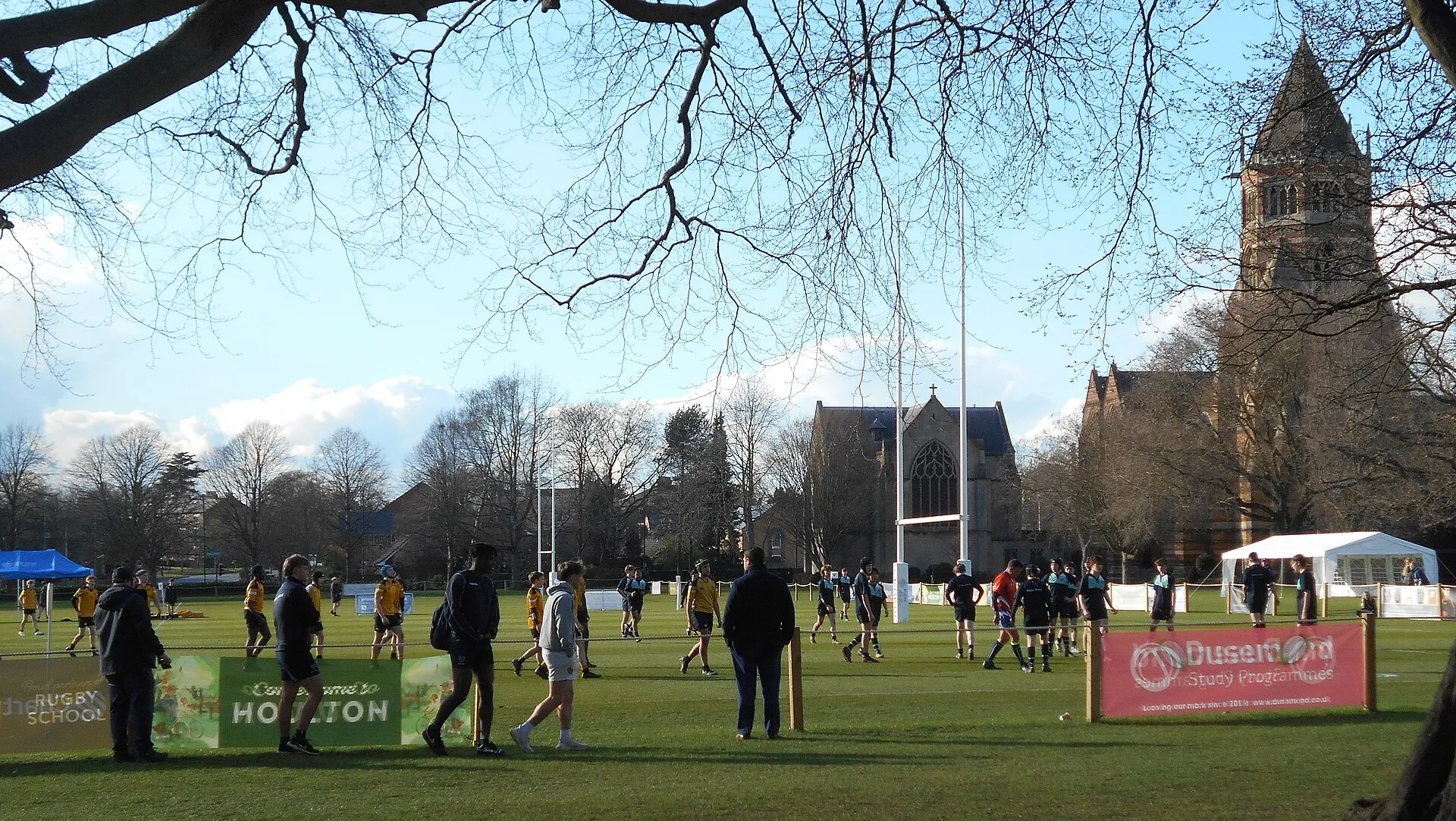
Schools get sold rugby analysis software built for one of two places they are not: a professional academy with an analyst on staff, or a senior club with a committee and a bar. A school is its own animal. The person running the video is a teacher with a full timetable, not an analyst with a booth. The season is really three terms with exams dropped into the middle. And there is not one team but a 1st XV all the way down to an U14 D side. This guide is for that school.
What a school actually needs
Strip away the feature lists and a school needs four things. Footage staff can review without giving up an evening. A few clips that move a games lesson or a Tuesday session. Simple development records you can show a parent or a head of rugby. And delivery that reaches players and parents in a channel they already use. Multi-angle telestration and live-coding suites are wonderful, and they are built for staff a school does not employ.
Budget level one: the free stack
A phone on a tall tripod, a free video player, and clips shared to the squad will get you started, and we wrote up the whole zero-cost approach in the best free rugby analysis tools. The cash cost is nothing. The real cost is a teacher’s evenings, because everything is manual, so the programme lives and dies on one person’s spare time. As a single-term experiment it works. As a permanent plan it usually burns out the person doing it.
Budget level two: tagging software
Entry tiers of tools such as Nacsport or QwikCut make the manual coding faster rather than shorter. Someone still watches the whole match with a finger on a button. In a club that can be a keen volunteer. In a school the risk is staff turnover: build the programme around one enthusiastic teacher or a sixth-former on placement, and when they leave in July, the analysis leaves with them.
Budget level three: done for you
This is where the analysis is done for you rather than by you, and it is where we would point most schools, not least because it is the problem Framesports was built to solve. You film however you already do, a phone is fine, upload the match, and it comes back fully tagged with clips, player-level stats and automated individual development plans, without a teacher spending Sunday on a timeline. It survives staff changes because the workflow does not live in one person’s head. It is very affordable, priced for a school rather than a professional programme, and pauseable across exam term and the summer. For a department juggling six teams, the hours it hands back are the entire point, which is the case we made in doing more with less.
What to skip
Three things schools are routinely sold and rarely need. Elite tagging suites, which are superb for a full-time analyst and shelfware without one. An expensive AI camera before the workflow is sorted, because that is a footage upgrade, not an analysis one, and a phone on a tall tripod covers a school side surprisingly well, as we found when we tested the cameras. And any contract you cannot pause over the holidays.
The honest checklist
Ask four questions before you sign anything. How many staff hours per match does this take, start to finish? Will it survive the keen teacher moving on? Can we pause it over exams and the summer? And does the price per analysed match still make sense if we only cover the 1st XV and a couple of age groups? If a platform, ours included, cannot give you a straight answer on all four, keep your budget. When you are ready to compare the whole market, the top 10 platforms is the next read.
Hero photo: Simon_sees, CC BY 2.0, via Wikimedia Commons.