Watch a grassroots match and count who gets filmed. The players do, more and more. The coaches review it on Monday. And the one person who made more decisions than anyone else on the pitch, the referee, goes home with nothing but their memory. Rugby has spent a decade putting cameras on players. It has almost entirely forgotten the official, and that is a strange gap, because referees may be the most coachable people on the field.
Why referees are so coachable on film
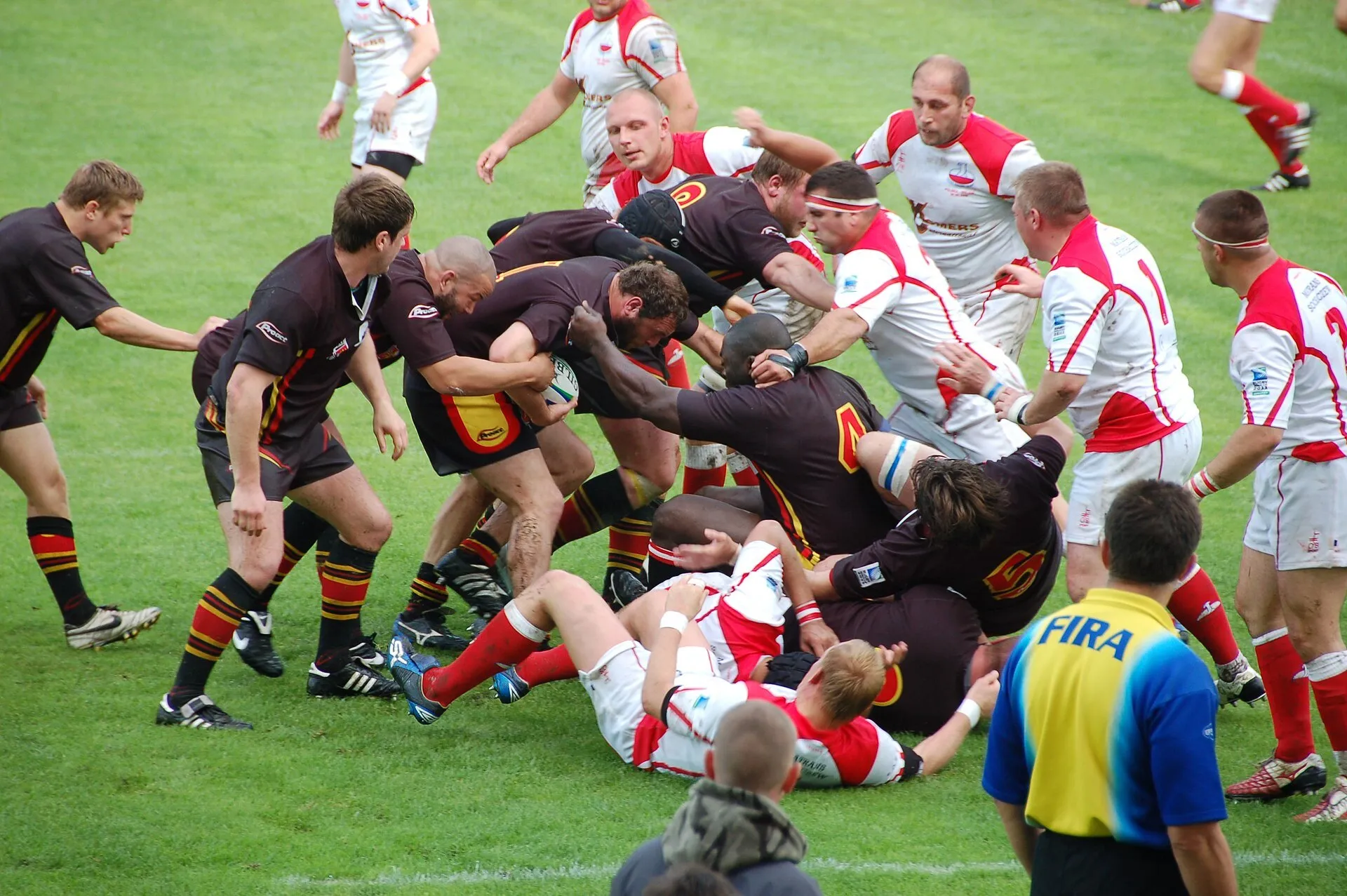
A referee’s craft is almost entirely reviewable. Positioning at the breakdown, angle at the scrum, whether they were square to the offside line, how early and how clearly they communicated, whether similar actions drew similar calls across the eighty minutes. Every one of those is obvious on video and invisible in the moment. A player can come off convinced they had a good game and be wrong. A referee watching the footage back can see the exact ruck where they were out of position and guessing.
For referee societies and assessors
Most refereeing development still runs on a single assessor’s live notes and a chat in the car park afterwards. Footage changes that conversation completely. An assessor and a referee watching the same handful of clips have a far more useful discussion than two people comparing memories of a game they saw from different places. Societies that build even a small library of clips, good decisions and bad ones, develop young referees faster and give assessments that referees actually trust, because the evidence is on the screen rather than in one person’s recollection.
You do not need a special setup
Here is the part that makes this easy: the footage a club already films for its coaches has captured the referee too. If a match is being recorded for analysis, the referee’s whole game is sitting in that same file. The only things missing are permission and habit. Agree with the club that the referee can have the footage, and build the routine of watching your own game back each week. Where clubs already have their matches analysed and clipped, pulling out the referee’s key moments is a small extra step, not a new project.
The players have had this edge for years. The officials, who shape a match as much as anyone on it, have been left to improve on memory alone. The cameras are already on the touchline. The only thing missing is the decision to point them at the person in the middle.
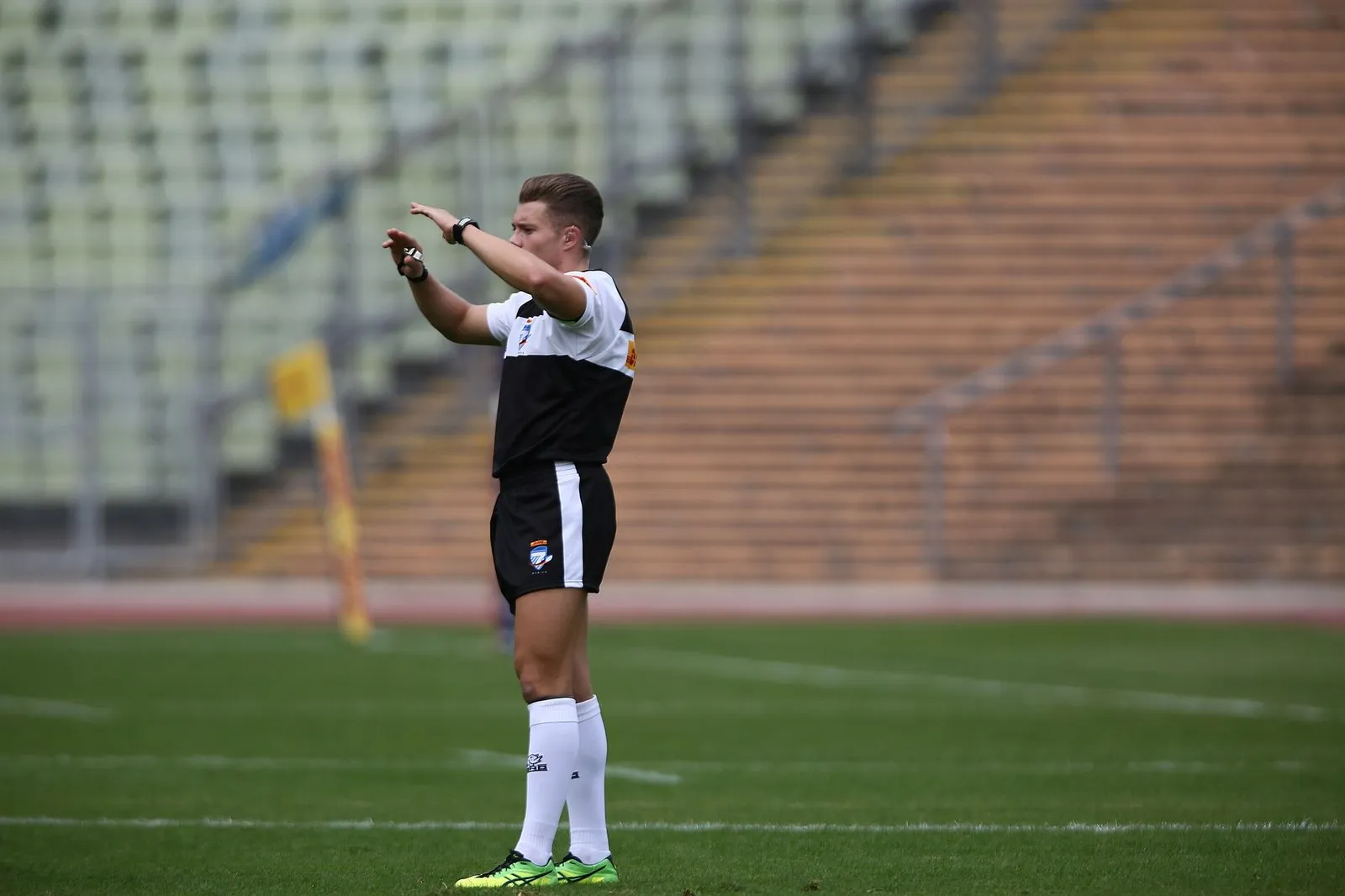
Hero photo: Henning Schlottmann, CC BY-SA 4.0, via Wikimedia Commons.