Choosing analysis software is well covered. What to do in the week after you choose is not, and that week decides whether the thing gets used in November.
The trap is that a trial usually gets spent the same way as a demo: clicking around the features, admiring the dashboard, confirming what you already believed. That tells you what the platform does at its best. What you need to know is what it does on a wet Sunday when the footage is long, the upload is slow and you have forty minutes before your daughter’s swimming lesson.
Here is what to test instead, roughly in order.
Get one real game in on day one
Not the sample match. Not last season’s cup final. The most ordinary, most awkward, most representative game you have, in whatever state it usually reaches you.
Everything else in this list depends on it, and the single biggest predictor of a trial going nowhere is that nobody uploaded a real match until day five. Do it first, before you look at a single feature.
Test whether it handles your footage, not their footage
This is where most trials quietly fail. Your footage has a particular length, a particular format and probably a particular quirk, and the platform’s marketing was written around none of those.
Check specifically: does it take the file straight from wherever it lives, or does somebody have to convert it first? Does an eighty-minute file upload without babysitting? Does it cope with the two halves arriving as separate files, which is how most club footage actually turns up? A workflow that needs a manual conversion step will not survive the season.
Test the turnaround, not the interface
The number that matters is how long it takes from you finishing the upload to a coach being able to use something. Not how long the processing takes. How long until a human at your club can do their job.
Write down the time you upload and the time the output is genuinely ready. If that gap runs past a couple of days, the analysis will always arrive after selection has happened, and it will stop influencing anything. Turnaround is the difference between analysis and a record.
Test what a player receives
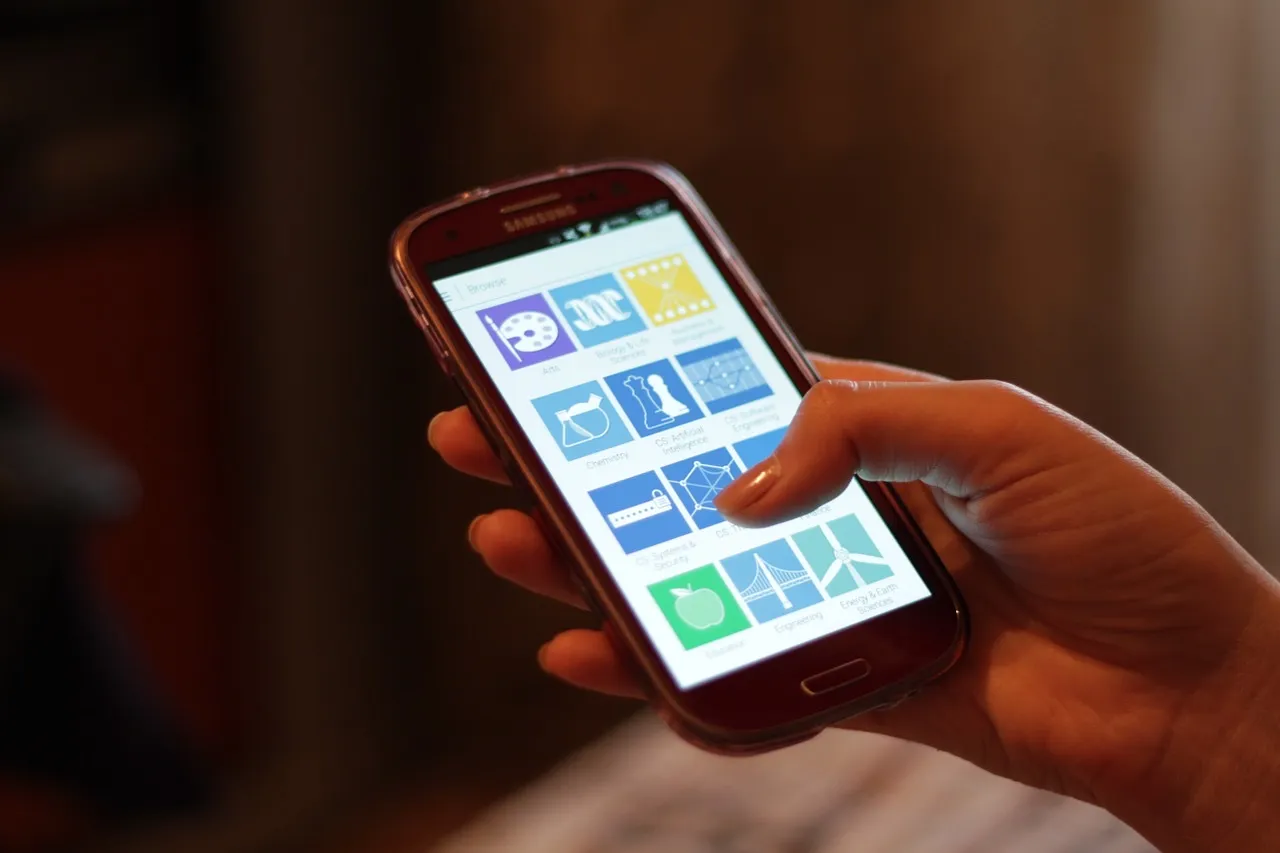
Send one clip to one player, on their phone, and watch what happens.
Do they need an account? An app? A password reset on a Tuesday night? Can they see it in ten seconds without asking a coach for help? The clip that requires a login is the clip that does not get watched, and player engagement is where most platforms are weakest and least honest. It is a solvable problem, and getting players to review their own clips covers the rest of it.
Test the thing you will do fifty times
Every workflow has one action you will repeat all season. Usually it is making a clip and getting it to somebody.
Do it ten times in a row and time it. A step that takes twenty seconds is fine once and intolerable by the fifth week, and this is the single best predictor of whether a tool is still in use at Christmas. Elegance in the parts you touch once a season does not matter. Friction in the part you touch weekly decides everything.
Test how it fails
Deliberately do the wrong thing. Upload a file that is too big. Cancel halfway. Put in a squad list with two players wearing the same number, because that will happen in October.
What you are looking for is whether the platform tells you clearly what went wrong, or whether it fails silently and leaves you to discover on Thursday that Saturday’s match never processed. Silent failure is the most expensive property software can have, and you will only ever find it by going looking during a trial.
Test the answer to one real question
Finally, pick a question your coaching group has genuinely argued about. Are we slow to the breakdown? Do we fall away in the last twenty? Can we defend our own 22?
Then try to answer it. This is the test that separates a tool that produces numbers from one that produces conclusions, and it is worth doing before you are committed, because plenty of platforms will give you a hundred metrics and no way to settle a single argument. For a sense of what an answer should look like, our ranking of what winning teams do differently is the shape to aim for.
What a good first week looks like
By the end of it you should have one real match fully through the system, one clip watched by one player on their own phone, a measured turnaround time written down somewhere, and an answer to a question you actually cared about.
If you have all four, you have something that will survive the season. If you have a dashboard you liked the look of and no real footage in it, you have run a demo rather than a trial, and you will find out in November.
One last thing worth deciding in week one rather than month three: who owns this. Not who bought it. Who makes sure the footage gets uploaded and the clips come back. Every failed rollout we have seen failed on that question rather than on the software, and it is the same conclusion as working out whether you need an analyst or just the analysis.
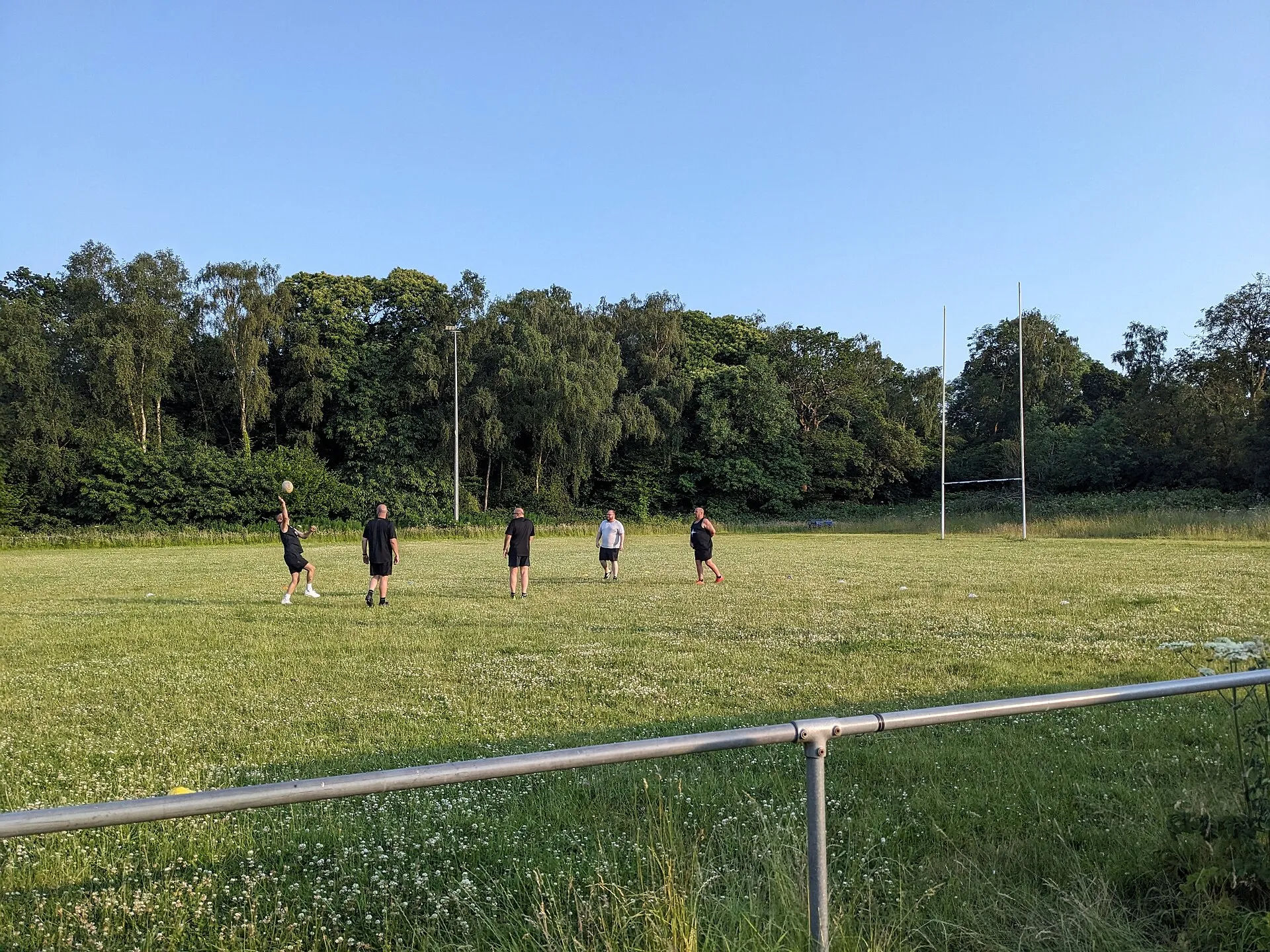
Hero photo: Al Green, CC BY 2.0, via Wikimedia Commons.