Most clubs come out of preseason with several hours of footage and a vague sense of guilt about it. The friendlies were recorded, nobody found time to watch them properly, and now the league has started and there is a fresh match every Saturday competing for the same attention.
The honest position is that most preseason footage has already done its job and can be left alone. A small part of it is worth more now than it was in August, and the window for that part closes within a few weeks.
What preseason footage is genuinely good for
Three things, and none of them is scouting the opposition.
- Establishing what your baseline looked like. A friendly in August is the cleanest picture you will get of your side before league pressure changes how they play.
- Individual technique. Contact work, lineout throwing, kicking - none of it cares whether the match counted.
- The players who were not there in August. New signings and returning players usually have footage from a friendly and nothing else.
What it is not good for is tactical conclusions. Selection was experimental, opposition quality was all over the place, and half the decisions were made to give somebody a run rather than to win. Anything you conclude tactically from a friendly is a conclusion about a team that no longer exists.
The one thing worth doing in the next fortnight
Go back to your last preseason match and your first league match and put them next to each other.
That is a genuinely useful comparison and it has a short shelf life, because it stops being informative once you have three or four league games to compare against each other instead. What you are looking for is not who won. It is what changed when it started counting: whether the breakdown got slower, whether discipline moved, whether the players who looked sharp in a friendly are still on the ball.
Half an hour on that pair of matches will tell you more than five hours spread across every friendly you recorded.
Pull the individual clips before you archive it
If a player had a good preseason and has started the league on the bench, their case is in that footage and nowhere else. The same is true in reverse for a player whose form has dropped: the contrast is the conversation.
Two or three clips per player is plenty. Send them to the individual rather than showing them to the group - a preseason clip in a team meeting in September reads as dwelling on the past, and the same clip sent privately reads as somebody paying attention. There is more on making that land in our post on getting players to review their own clips.
Be honest about what you will never watch
The rest of it - the second friendly, the development game, the forty minutes against a side two leagues below you - is not going to be watched. It was never going to be watched. Keeping it on a drive out of guilt is not a plan.
Archive it somewhere you can find it if a specific question comes up, and take it off the list. The mental cost of a backlog you are not clearing is larger than people expect, and it makes the weekly routine harder to sustain because every week starts with a reminder of what you have not done.
Then get the in-season routine running
The thing that actually decides whether analysis helps this season is whether there is a repeatable weekly habit, not whether the preseason archive got processed.
Keep it short. A review that runs under fifteen minutes, and ideally under five, is one that survives a Tuesday when the pitch is waterlogged and two coaches are away. A ninety-minute session is one you will do twice.
- One question a week. Pick the thing that cost you the last match and look only at that.
- Clips to individuals, not just the group. The group session sets the theme; the individual clips are what changes behaviour.
- Same slot every week. The habit matters more than the depth.
If you are starting from scratch this month, we have written separately on whether it is too late to start analysing this season. The short version is that it is not, and the preseason archive is not the thing standing in your way.
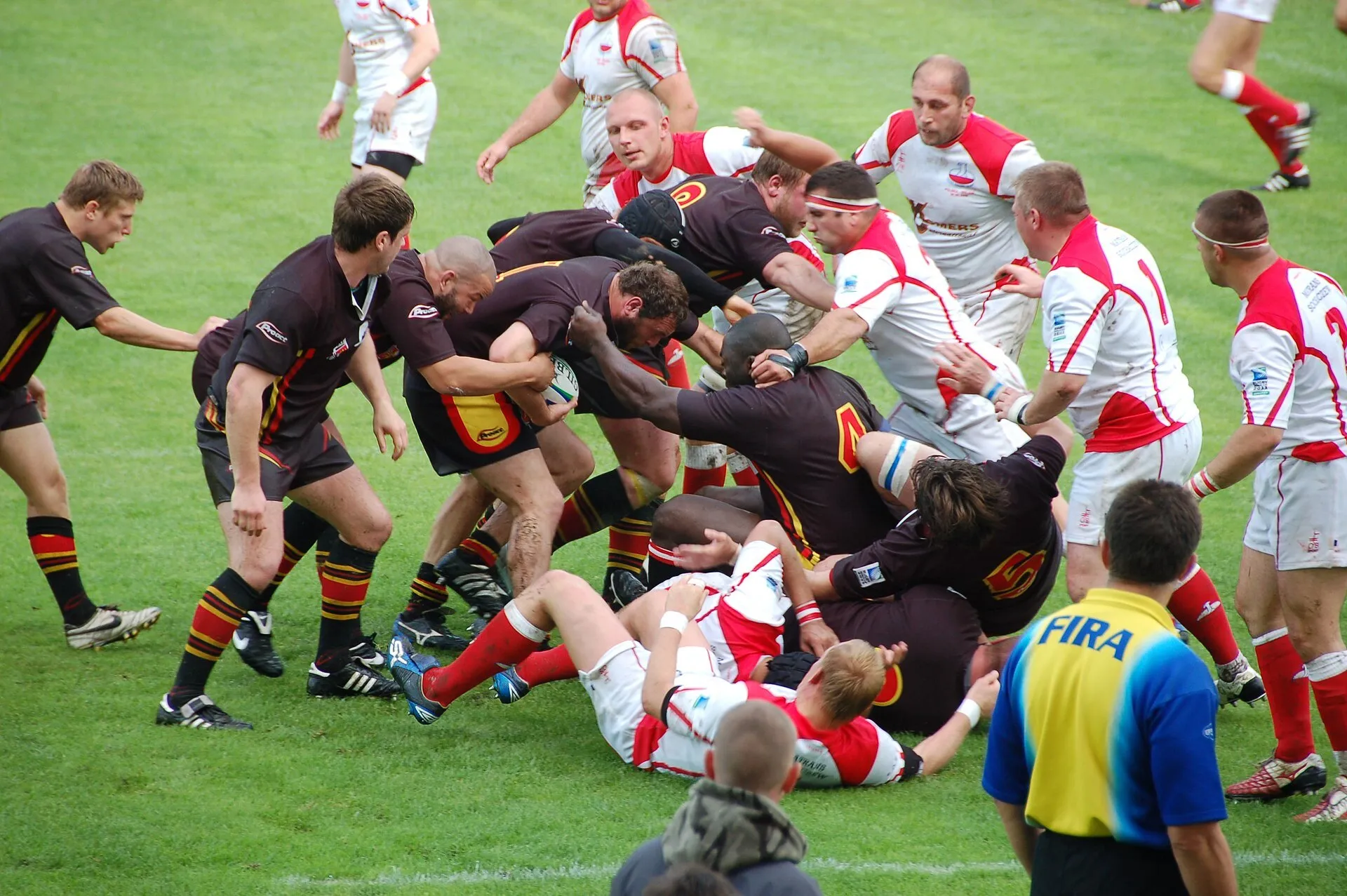
Hero photo: James Emmans, CC BY-SA 2.0, via Wikimedia Commons.