Almost everybody watches rugby the same way, which is to follow the ball. It is a completely reasonable way to enjoy a match and a very poor way to understand one, because by the time the ball arrives somewhere interesting, the thing that made it interesting has already happened somewhere else.
Analysts do not have better eyesight. They have a handful of habits about where to look and when. Here are the ones worth stealing.
Watch the space, not the ball
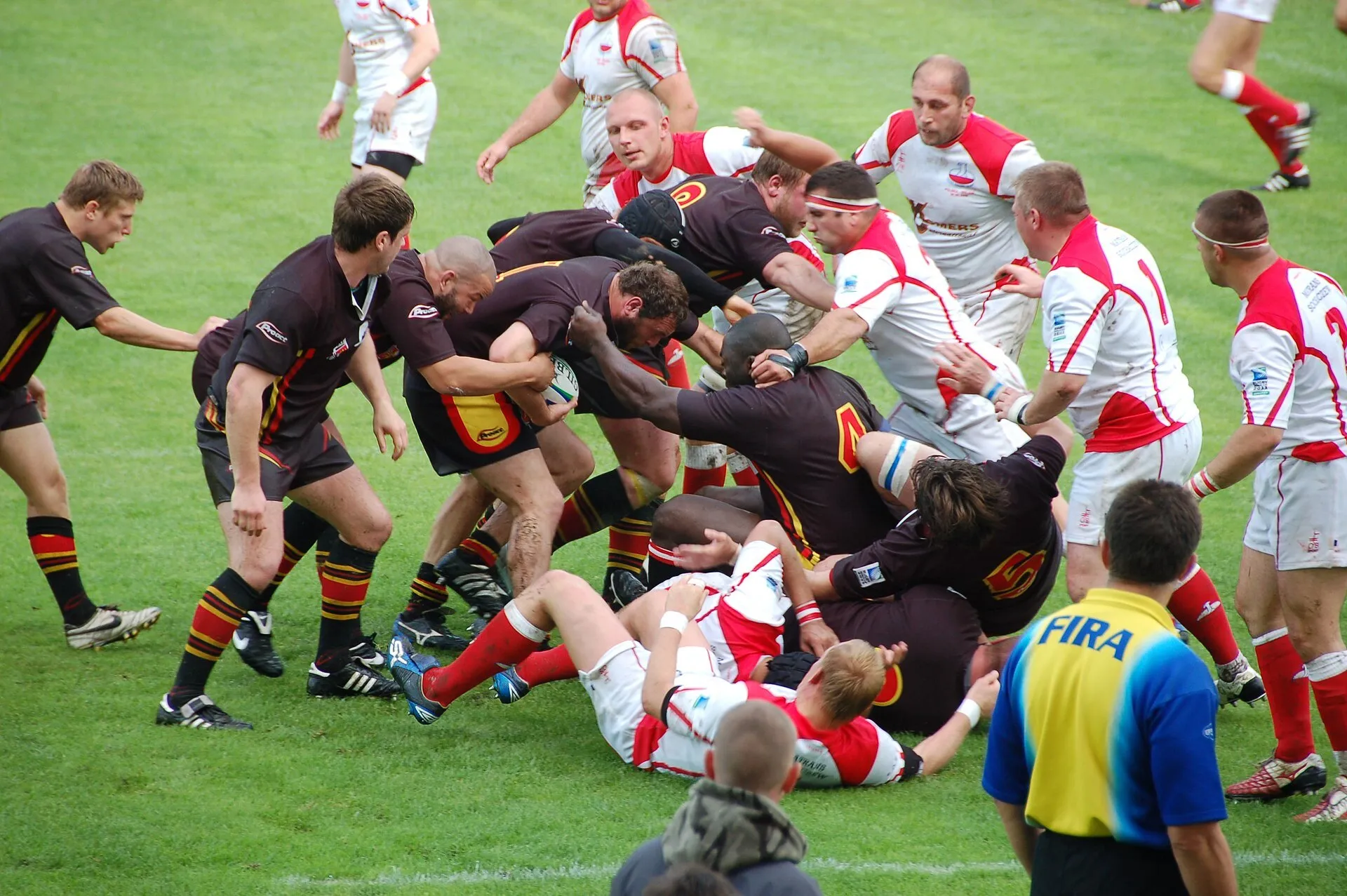
The single biggest change. When the ball goes into a ruck, most people watch the ruck. Look instead at the defensive line reorganising behind it: who is folding round, where the numbers are short, whether the edge is covered.
Nine times in ten the ruck resolves the way you expect. The interesting information is in what the defence did while it was resolving, and the try three phases later will usually have been set up there rather than at the point it was scored.
Pick one player and stay with them
For ten minutes, watch one player and ignore the ball entirely. An openside, a fly-half, a full-back - it matters less than the discipline of it.
You will notice things that are invisible in normal viewing: how often they are moving before the ball is played, whether they are talking, how long it takes them to get back on their feet, where they position themselves when the play is on the far side. This is also the fastest way to understand why a coach rates a player who never appears on a highlight reel.
Watch the two seconds before contact and the two seconds after
Most of what decides a collision happens before it. Where the carrier’s feet are, whether they have committed a defender, whether support is arriving or has already been left behind.
And the two seconds after are where the match is genuinely won: who gets to the ground first, how quickly the ball is available, whether the defence has time to reset. Our own contact data says the carrier wins getting on for nine collisions in ten, which means the contest almost never turns on the hit itself. It turns on what happens either side of it.
Count something. Anything.
You do not need software to start. Pick one thing and tally it on paper for a half.
- Restarts, and whether your side kept the ball
- Entries into the opposition twenty-two, and what each one produced
- Penalties conceded, and in which third of the pitch
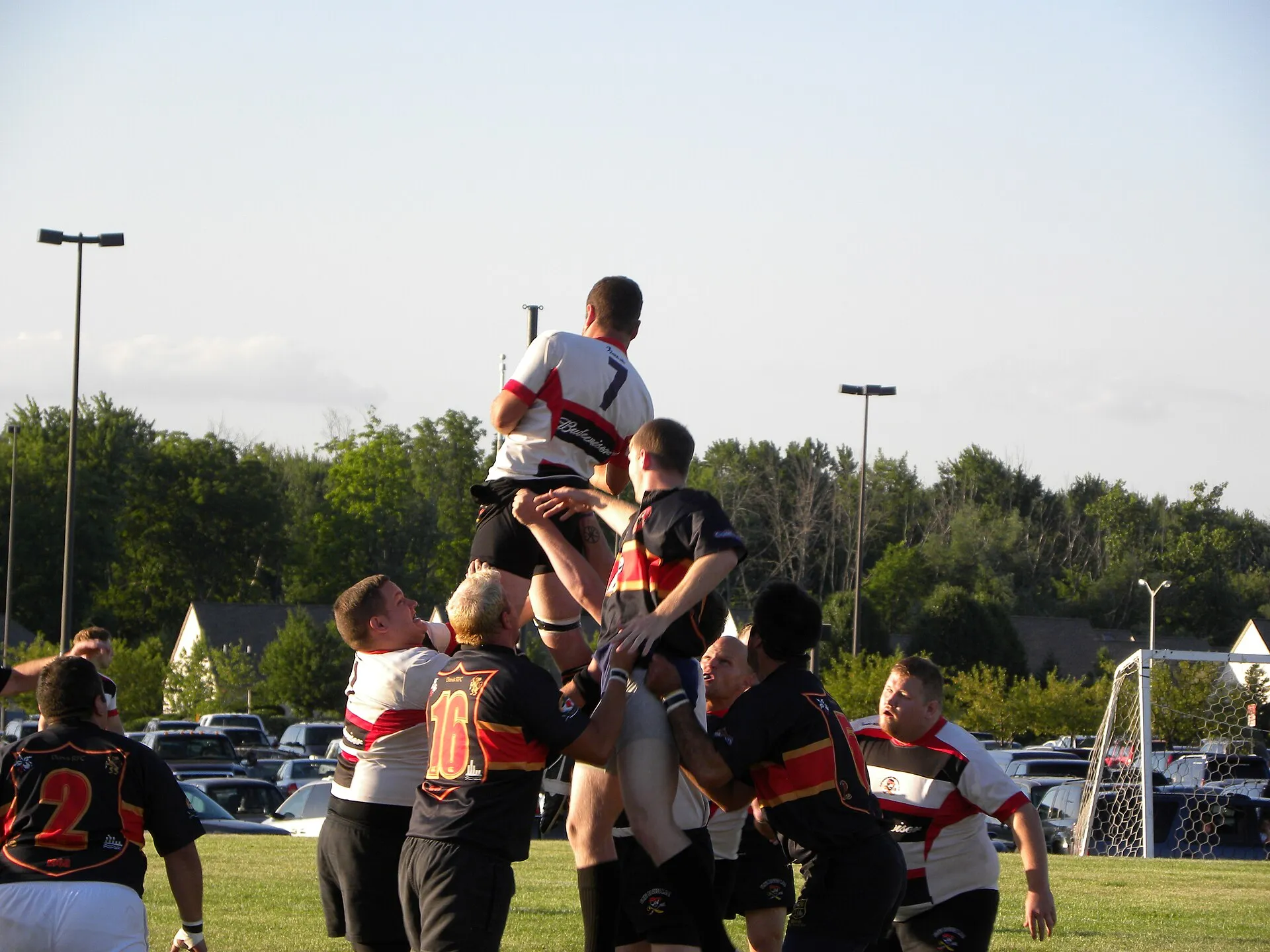
- Lineouts, and which ones went to the same jumper
The number matters less than what counting does to your attention. You cannot tally twenty-two entries without noticing what happens after them, and one half of deliberate counting will change how you watch permanently.
Ask what you would have done, before you see what happened
When a decision point arrives - a penalty in the opposition half, a scrum on halfway with ten minutes left - say out loud what you would do, then watch what they did.
Being wrong is the useful outcome. If your instinct disagrees with a decision that then works, you have found a gap in your own understanding, which is more valuable than another confirmation of what you already thought.
Watch one thing on the rewatch, not everything
The temptation on a second viewing is to watch the whole match again more carefully. It does not work. Attention does not scale that way, and you end up with a vaguer version of the first viewing.
Pick one question before you press play - “why did we concede on our own put-in twice” - and watch only for that, skipping everything else. A rewatch with one question takes fifteen minutes and produces something you can coach. A rewatch with no question takes eighty minutes and produces a feeling.
That is also the whole principle behind a good video session with players. Under fifteen minutes, ideally under five, one idea, and clips that make the idea obvious. Our post on running a rugby video session goes further into the format.
Give it three matches
None of this feels natural at first, and watching the space instead of the ball is genuinely uncomfortable for a couple of games because you keep missing things everyone around you reacted to.
Three matches is roughly where it flips. After that the ball-watching version starts to feel like reading a book by looking only at the punctuation, and you will find yourself seeing the try being built two phases before it arrives.
Hero photo: Jasonschilling6, CC BY-SA 3.0, via Wikimedia Commons.