“We’ll win this at the breakdown” is one of those things coaches say so often it has stopped being a claim and started being wallpaper. We wanted to know if it is true. So we took the ruck work of thousands of analysed teams, from amateurs to professionals across the men’s and women’s game, and lined it up against the one thing that matters: did they win the game?
Hold your own ball and you win far more
The clearest signal in the data is retention, simply keeping the ball you take into the ruck. Teams with the highest retention win close to six in ten of their matches. Teams that leak their own ball win closer to four in ten. That is a large swing for a skill that never makes the highlights, and it makes sense: every ruck you lose is an attack ended and a counter begun, with your players on the floor.
Steal more than you concede and you tilt the game
The other half of the breakdown is the turnover battle, the balance of the balls you win against the ones you give up. Teams that come out ahead on that count win about three in five. Teams that come out behind slip under half. The jackal, the counter-ruck and the clean clearout are not just tidy skills, they are among the most reliable ways to bend a close game your way.
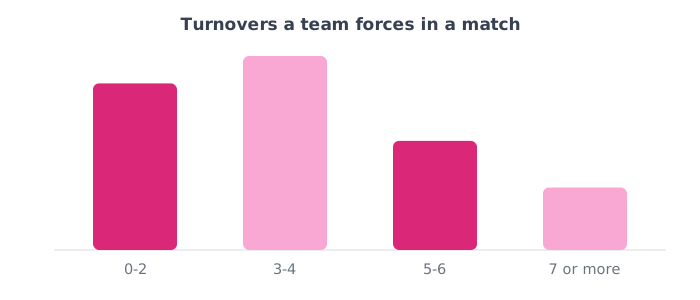
There are not many to fight over, which is exactly why each one counts. A team forces only a handful of turnovers in a typical match, most often three or four, so every ball you win or concede at the breakdown is a big slice of a small pie.
It is an edge, not a magic wand
Now the honest part. Winning the breakdown tilts the odds, it does not settle them. Plenty of teams dominate the ruck and still lose, because they cannot finish, or they kick poorly, or they fall apart at the set piece. The breakdown is one of the biggest levers you have, not the only one. Treat it as a way to win the collisions and the game, not as a guarantee that the second automatically follows the first.
What to do with this
Make retention a number you actually track, because it is easy to measure and it moves with coaching. Drill the tackled player’s presentation and the speed of the first clearout, and pick your moments to compete for the steal rather than flinging bodies in and conceding penalties. If you only sharpen one area this preseason, the breakdown gives you the best return for the time, provided you remember it buys you the platform, not the points.
How we worked this out
Based on thousands of fully analysed matches spanning every variety of rugby, men’s and women’s, from amateurs to professionals, deduplicated so no fixture is counted twice. We rebuild both scorelines from the same tagged scoreboard our analysts record, which lets us know who won and line that up against each team’s ruck retention and turnover balance. One honest caveat: teams that buy analysis are often the stronger side in their fixtures, so treat these as strong associations rather than proof of cause. The lesson, that the breakdown is worth real coaching time, holds regardless. For the other great lever, the set piece, see rugby set-piece success rates.
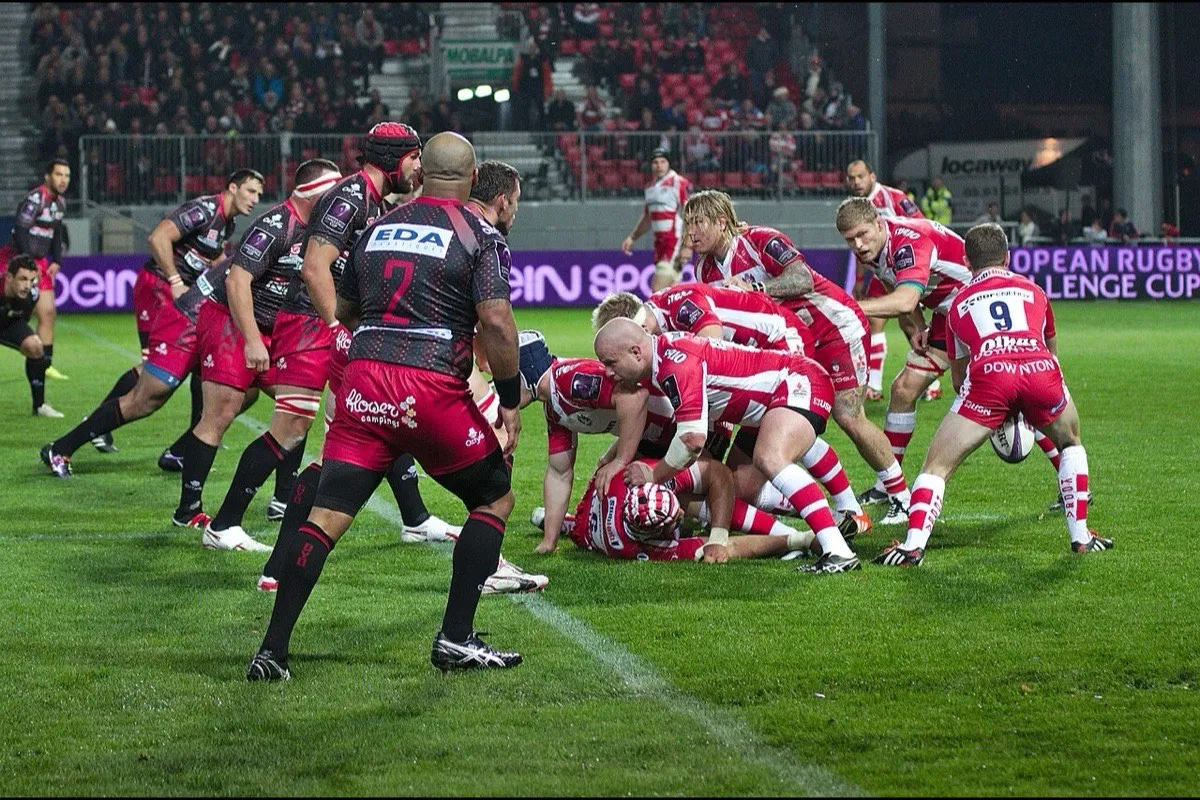
Hero photo: Clément Bucco-Lechat, CC BY-SA 3.0, via Wikimedia Commons.