A month into the season most teams have had one: the Saturday that got away by thirty or forty points. Monday brings a choice. Some coaches skip the review because nobody wants to sit through it again. Some show the whole thing, which is worse. The footage from a heavy defeat is the most useful footage you will get all season, and also the easiest to misuse. Here is how to run the session so the group comes out of it together.
Decide what kind of loss it was before you open the footage
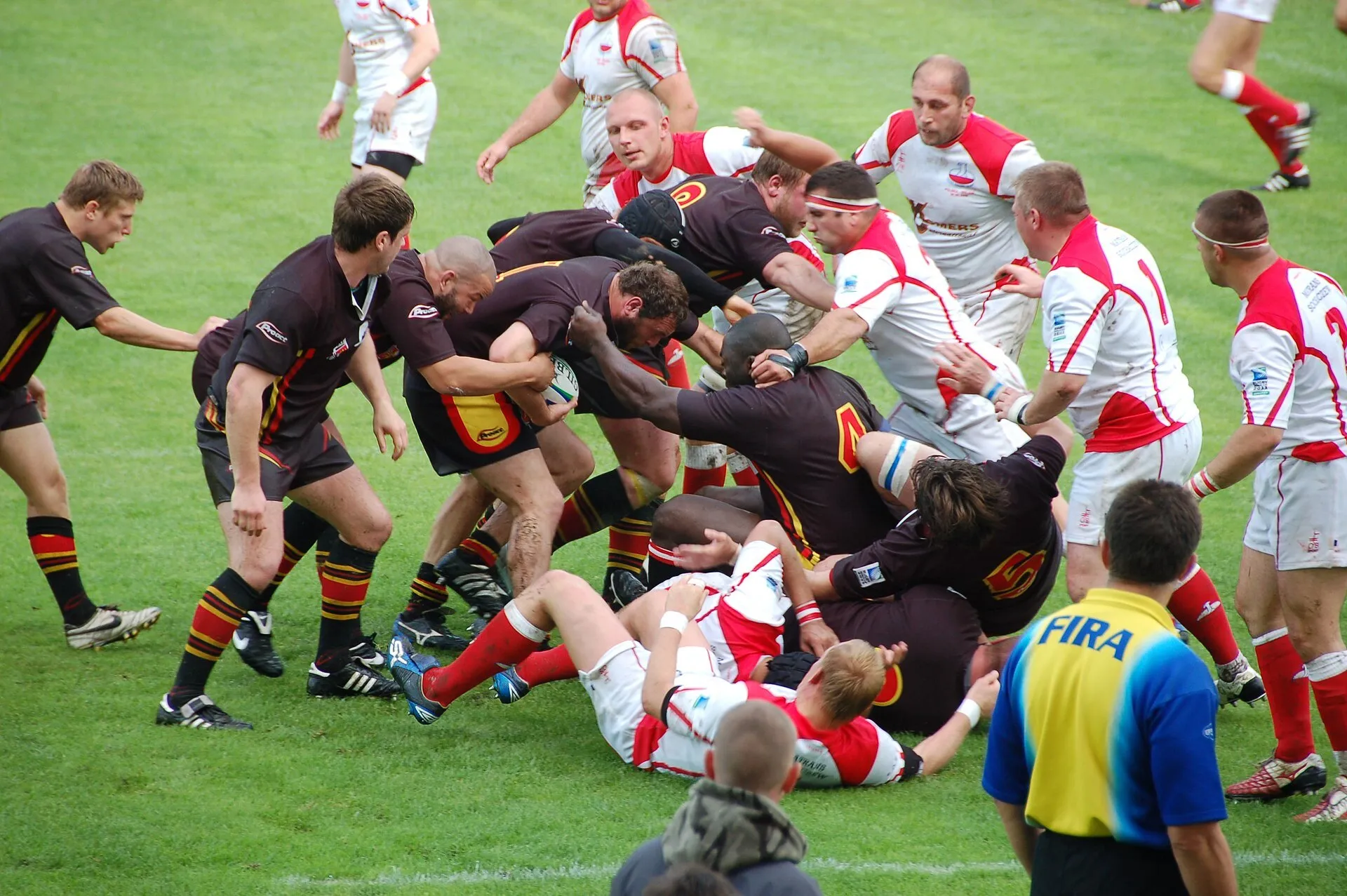
Two kinds of heavy defeat look identical on the scoreboard and need opposite reviews. One is a mismatch: the other side was better, the gap showed early and it grew. The other is a collapse: a close game for an hour and a scoreline that ran away in the last twenty minutes. Our match data says the first kind is far more common. Four blowouts in five were already more than two scores apart at half time, and a blowout does not usually come from a second-half collapse; the points split fairly evenly between the halves and the gap keeps growing at the same rate. So before you cut a clip, look at the score at the break. If you were already three scores down at half time, the review is about the first twenty minutes and the gap in quality. If you were level at sixty and lost by thirty, it is about the last twenty and what changed.
The first twenty minutes are the review
In a mismatch the second half tells you almost nothing. Tired legs, a defence that has stopped folding, players making decisions they would not make fresh. Those mistakes are symptoms, and everyone in the room already knows about them. The first quarter is where the shape broke, and it broke while the players were still fresh, so the lessons in it are real ones: the exit that went to a lineout instead of touch, the edge that was short from the first phase, the restart that was dropped. Clip from the kick-off to the first time you were two scores down and stop there. The rest of the match is the same problems repeated by more tired people.
Three clips, and one of them is good
A forty-point loss has a hundred moments you could show. Show three. Two of them are the same problem twice, so the group sees a pattern rather than a mistake. The third is something you did well, because even in a rout there is a set piece that held or a try you scored, and a session made entirely of failure teaches the group that video means punishment. The format for a session players will sit through does not change because the score was bad. Under fifteen minutes, one theme, a good clip first, and a conversation rather than a lecture. If anything, keep it shorter than usual.
Name the shape that broke
Heavy defeats are almost never one player’s fault, and in the footage they almost never look like it either. What you see is a defensive line that is not connected, a kicking plan that keeps giving the ball back, a back three left alone under the high ball. Individual errors in a rout are what a broken system produces. Single out the winger for the missed tackle in minute sixty and you have picked the most visible symptom and blamed the person who happened to be standing there. Name the shape and the group can fix it together. Name the player and the group learns to hide.
Let them tell you
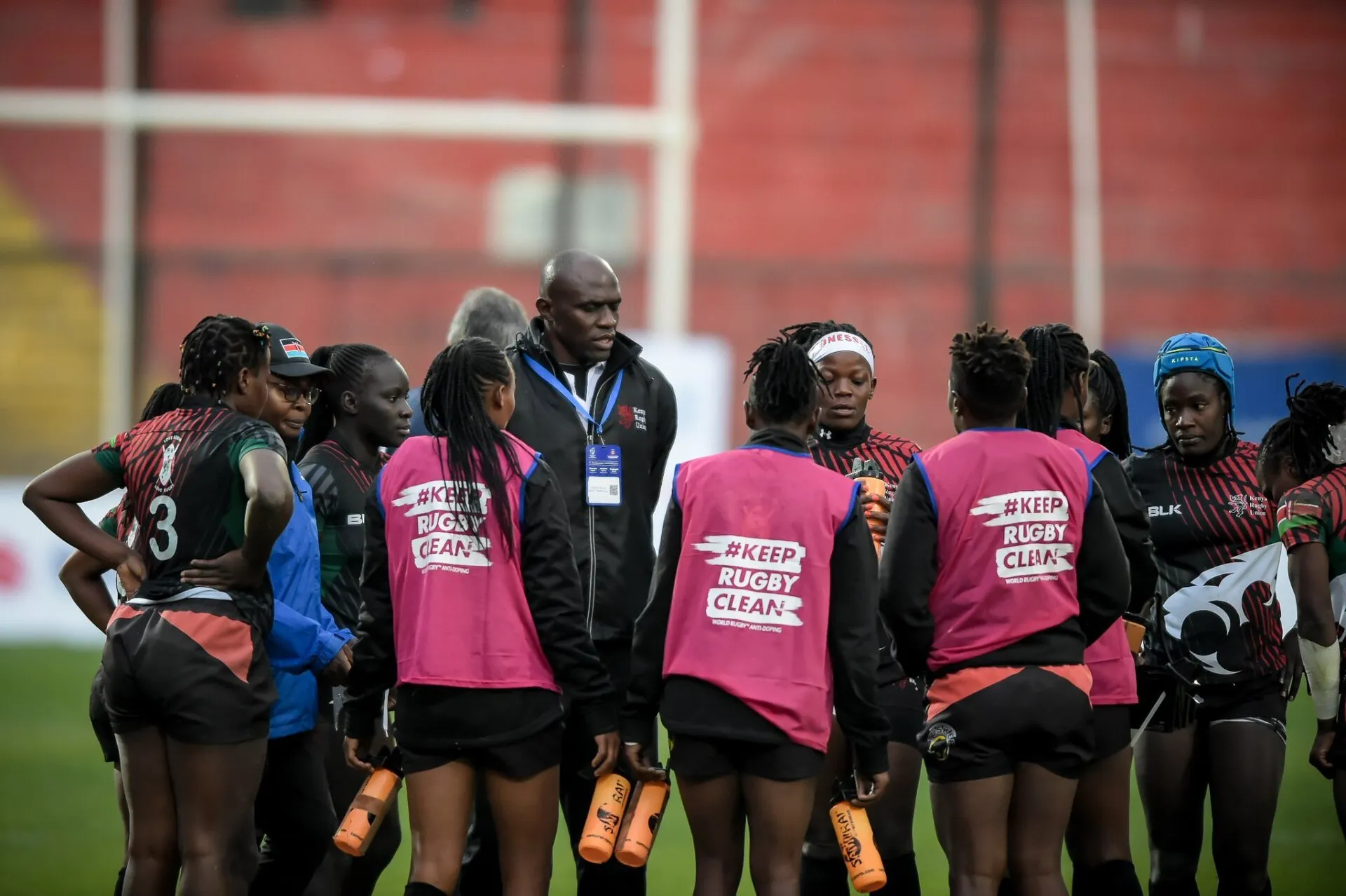
Play the first clip, pause it, and ask what they saw. A heavy defeat is the week players most expect to be told, and being asked instead changes the room. Most of the time they saw more than you think. They know the line was short before you point at it. Getting them to say it out loud turns a dressing-down into a plan, and it tells you which of them understood the problem on the pitch, which is worth knowing when you pick the next team. Players who review their own clips each week arrive at this session already used to the question.
What to leave out
The scoreboard. Nobody needs to see it again. The last ten minutes, for the reasons above. Anything the players already know, which after a heavy loss is most of it. And the opposition’s best moments: a session built around how good the other side were is a session about something you cannot coach. Cut what you can change on Tuesday and leave the rest on the hard drive.
Do not rebuild the team on the back of it
The temptation after a bad loss is to change everything. Our data says to wait. Across more than a hundred team-seasons, the teams that tackled worst in their first four matches gained ground by the end whatever they did, and the teams that started best fell back. A bad week is mostly not a trend. Pick one thing from the review, train it, and judge it over the next month rather than the next match.
And keep the footage. A heavy defeat is the game most coaches want to delete, and it is also the one you will want in April, when the same opponent comes round and you need to know whether the gap was them or you.
Hero photo: Kenya Rugby Union / Maximiliano Aceiton, CC BY 4.0, via Wikimedia Commons.